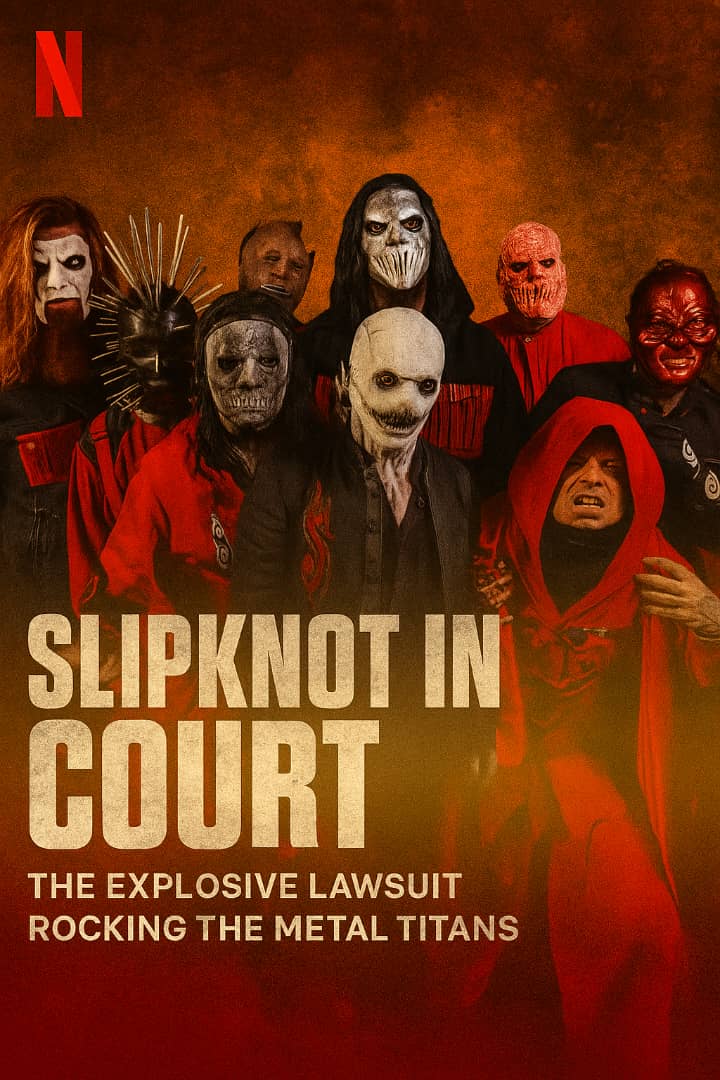
Slipknot, the iconic heavy metal band known for their masks and chaotic live shows, has found themselves in the spotlight not just for music but for legal battles. Over the years, disputes involving former members, domain names, and even estates have marked significant points of tension between the band’s legacy and its business interests. These legal entanglements show how intertwined artistry and law have become in the modern music industry.
One of the most recent legal confrontations involves the band’s efforts to reclaim their own web domain. For decades, the group has operated online using “Slipknot1.com” as their official site because the simpler “Slipknot.com” was already taken. That domain, registered in 2001, has been controlled by an anonymous owner who has profited by hosting pay-per-click ads and directing visitors toward unofficial merchandise vendors. Slipknot’s management argues this not only dilutes their brand but actively misleads fans.
To address this, Slipknot filed a federal lawsuit in the United States District Court for the Eastern District of Virginia under the Anti-Cybersquatting Consumer Protection Act. The complaint alleges that the domain was intentionally registered to exploit the band’s fame and trademarks, and that many visitors end up on counterfeit merchandise sites as a result. The band is also pursuing claims of trademark infringement and unfair competition, seeking both control of the domain and financial damages.
The defendant in the case was initially anonymous, listed only as “John Doe” and “ABC Corporation,” because the true identity behind the domain registration remained hidden in public WHOIS records. This anonymity posed a strategic challenge for Slipknot’s legal team, which is part of why the lawsuit aimed to establish the rightful ownership and bad-faith actions connected to the domain’s use.
The dispute gained public traction toward the end of 2025 when news outlets reported that the anonymous owner had retained a domain name specialist and attorney to fight the lawsuit. This legal counsel argues that their client is the lawful long-time registrant of the domain and has not acted in bad faith, challenging both the basis of the cybersquatting allegations and whether the Virginia court has appropriate jurisdiction over the case.
For many fans, this saga raised questions about why the band waited over two decades to pursue the domain legally. Some commentators suggest the timing may align with increased emphasis on protecting merchandising revenue streams and trademark enforcement across entertainment industries. Others see it as part of broader efforts by artists to tighten control over their brands in an era where online identities and revenue are increasingly valuable.
But Slipknot’s legal history doesn’t start or end with the website dispute. In earlier years, internal disagreements resulted in high-profile lawsuits that exposed tensions between individual members and the group’s corporate entities. One such case involved percussionist Chris Fehn, who in 2019 filed a lawsuit alleging he had been denied fair compensation and that other band members had set up multiple business entities without his full knowledge or consent. That legal battle eventually concluded in a settlement and Fehn’s departure from the band.
Another emotionally charged lawsuit came from the estate of Joey Jordison, Slipknot’s founding drummer. After Jordison’s death in 2021, his estate filed suit against the band, alleging that they had profited from his passing and failed to return personal items despite promises to do so. The complaint drew widespread attention as it highlighted deep personal and financial rifts tied to the band’s past.
This particular lawsuit was resolved with a settlement in September 2024, though the terms were not publicly disclosed. The legal dispute underscored the complexities that bands face when personal relationships, legacy, and intellectual property intersect. It also reminded fans and industry watchers that even beloved artists are not immune to bitter legal conflicts behind the scenes.
As of December 3, 2025, Slipknot’s cybersquatting lawsuit continues to unfold in court. While the band pushes to regain “Slipknot.com,” the domain’s owner is vigorously defending their long-held rights, making the outcome far from certain. The case reflects broader issues in digital branding and trademark law, as artists strive to assert control over their identity in an evolving online landscape. (Date: December 3, 2025)
The band’s legal battles — whether over domains, money, or legacy — paint a picture of how modern music careers extend far beyond the stage. For Slipknot, litigation has become another arena in which they fight to preserve their name, their art, and their connection to fans. Whether the outcomes will satisfy critics or fans is another question entirely, but for now the lawsuits form a complicated chapter in the story of one of metal’s most influential acts.
About the Author