From Boston Basements to Global Mania: How New Kids on the Block Changed Pop Forever
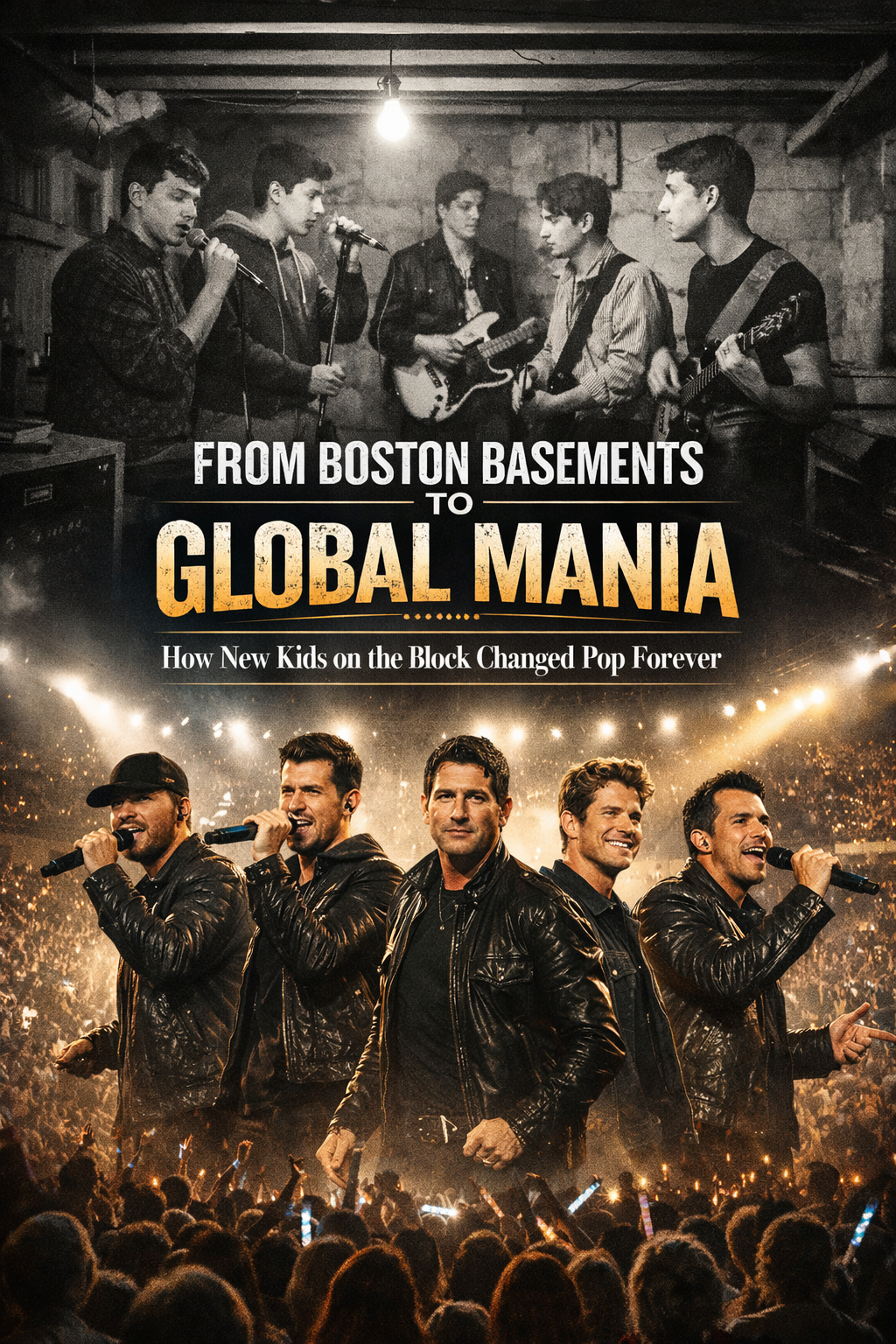
Before stadium tours, screaming fans, and sold-out merchandise, New Kids on the Block were just a group of kids rehearsing in basements around Boston. They had no guarantee of success—only raw talent, relentless discipline, and a dream that felt almost impossible. What followed wasn’t just fame; it was a cultural shift that reshaped pop music and defined an entire era.
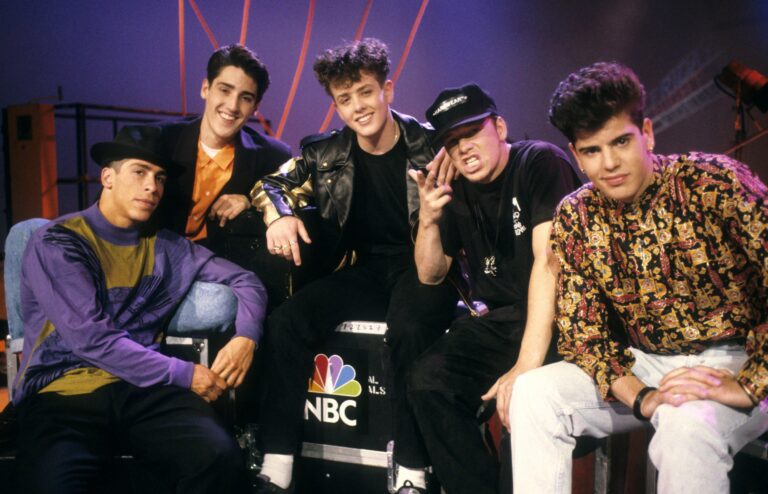
In the mid-1980s, producer Maurice Starr envisioned a new kind of pop group—one that blended streetwise attitude with polished harmonies. From working-class neighborhoods came Donnie Wahlberg, Jordan Knight, Jonathan Knight, Joey McIntyre, and Danny Wood. They weren’t industry kids; they were ordinary teenagers juggling school, rehearsals, and family expectations. Those early basement sessions weren’t glamorous, but they forged a bond that would later become their greatest strength.
Their debut album arrived quietly, barely making a ripple at first. But instead of fading, the group doubled down. They rehearsed harder, toured relentlessly, and sharpened their identity. Then came Hangin’ Tough—the album that turned effort into explosion. Songs like “Please Don’t Go Girl,” “You Got It (The Right Stuff),” and the anthem “Hangin’ Tough” didn’t just climb the charts; they took over the world. Suddenly, New Kids on the Block weren’t just popular—they were unavoidable.
What made NKOTB different was their ability to feel personal. Fans didn’t just listen to them; they belonged to them. Posters filled bedroom walls. School notebooks were covered in their names. Concerts became emotional events where thousands screamed in unison. This wasn’t casual fandom—it was devotion. The term “Blockhead” became an identity, and that level of connection set a new standard for fan culture.
Beyond the music, New Kids on the Block created the blueprint for modern boy bands. The coordinated choreography, distinct member personalities, fashion influence, and direct engagement with fans became the formula everyone else followed. Without NKOTB, there is no Backstreet Boys, *NSYNC, One Direction, or even the global K-pop system as we know it today. They proved that pop groups could be both commercially dominant and emotionally meaningful.
But global mania came at a cost. Fame arrived fast and unrelenting. The pressure to stay perfect, the exhaustion of nonstop touring, and the challenge of growing up in public took their toll. By the mid-1990s, the group stepped away from the spotlight, leaving behind unanswered questions and a generation that felt their absence deeply.
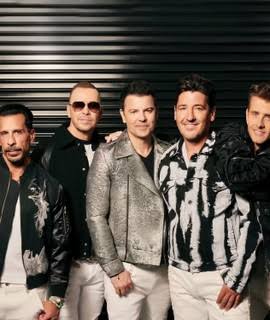
Then something rare happened. Years later, New Kids on the Block returned—not as manufactured teen idols, but as men who understood their legacy. Their comeback wasn’t about chasing trends; it was about honoring history. Fans who once screamed as teenagers now returned as adults, bringing their own stories, families, and memories with them. The connection hadn’t faded—it had matured.
Today, New Kids on the Block stand as more than nostalgia. They are proof that pop music can have longevity, heart, and cultural weight. Their journey from Boston basements to global superstardom didn’t just change their lives—it permanently altered the music industry.
They didn’t just survive pop history.
They wrote it.
About the Author