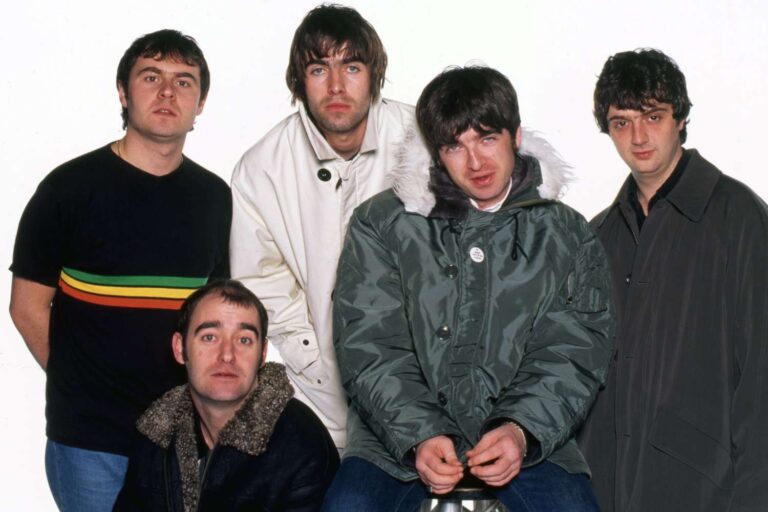
radioheads johnny gordon for nme magazine shot thursday 22 11 07 in oxfords the old parsonage hotel.
There are bands that document their time, and then there are bands that diagnose it. Radiohead has always belonged to the latter. From the first paranoid pulse of OK Computer to the fractured humanity of A Moon Shaped Pool, their music has never merely reflected the world—it has interrogated it, whispered its fears back to itself, and left listeners uneasy, awakened, and changed.Beneath the Iron Sky – The Sounds We Buried, the Truths We Played is a meditation on that uneasy legacy. It is not a celebration of success or a neat chronicle of albums released and tours completed. Instead, it digs into the emotional and cultural sediment beneath Radiohead’s work—the anxieties they predicted, the wounds they pressed on, and the truths we recognized only after it was too late.The “iron sky” has always loomed large in Radiohead’s universe. It is the weight of systems that don’t listen, technologies that isolate even as they connect, and modern life that hums relentlessly while quietly hollowing us out. Long before surveillance capitalism became a household phrase, Radiohead’s songs were already haunted by it. Their music asked uncomfortable questions: What happens when progress forgets people? When efficiency replaces empathy? When the future arrives without asking if we’re ready?Yet what makes Radiohead endure is not their foresight alone, but their vulnerability. Beneath the cold electronics, distorted guitars, and fragmented rhythms is a band deeply invested in human fragility. Thom Yorke’s voice—often trembling, sometimes dissolving—has never been about dominance or certainty. It’s about doubt. It’s about the fear of disappearing, of being unheard, of becoming irrelevant in a world that moves too fast to care.The sounds Radiohead “buried” were often the most revealing ones. The silences between notes. The unresolved endings. The moments where melody collapses into noise or fades into nothing. These weren’t accidents—they were statements. In refusing easy catharsis, Radiohead forced listeners to sit with discomfort. To feel the tension without release. To recognize that some problems don’t resolve neatly, and some wounds don’t close just because the song ends.Across decades, the band continually dismantled their own identity. Each reinvention felt less like a marketing move and more like an act of survival. When rock music threatened to fossilize, they broke it apart. When expectations hardened, they dissolved them. In doing so, Radiohead taught a generation that evolution is not betrayal—it’s honesty. Staying the same, they seemed to say, can be the greatest lie of all.Beneath the Iron Sky also confronts the
About the Author