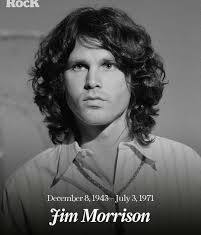
The trailer opens in near silence, a dim Paris street humming with distant footsteps and the echo of a voice that feels half-remembered. Netflix frames Jim Morrison not as a monument, but as a man in motion, restless and searching, caught between fame and disappearance. From the first seconds, the tone is intimate and unsettling, pulling viewers into a world that feels lived-in rather than legendary.
What makes this preview arresting is its refusal to rush. Instead of racing through greatest hits or familiar mythology, it lingers on moments of doubt, isolation, and creative obsession. Morrison appears less like the Lizard King and more like a poet wrestling with the weight of his own persona, unsure whether it’s armor or a cage.
The footage leans heavily into atmosphere. Grainy rehearsal rooms, late-night notebooks, smoke-filled bars, and stark hotel interiors replace the usual concert spectacle. The effect is raw and tactile, as if the camera stumbled into private spaces it was never meant to see. Every frame suggests a story unfolding behind closed doors.
Voices from those who knew him drift in and out, never overwhelming the images. They speak softly, sometimes contradicting each other, letting uncertainty breathe. Rather than offering clean answers, the trailer invites viewers into the contradictions that defined Morrison’s life: confidence and fear, discipline and chaos, tenderness and self-destruction.
Music is used sparingly but powerfully. Snippets of familiar melodies surface only to dissolve into ambient sound, reinforcing the sense that this is not a celebration, but an excavation. The silence between notes feels intentional, making each return of music hit with emotional weight.
Paris plays a central role, not as a backdrop but as a character. Rain-soaked streets, narrow stairwells, and shadowed cafés create a mood of exile and reflection. The city feels less romantic than haunting, suggesting a place where Morrison hoped to disappear and instead became even more mythic.
What’s most compelling is the trailer’s focus on Morrison’s inner life. His writing, his reading habits, and his fascination with death and rebirth are treated with seriousness rather than sensationalism. The result feels thoughtful, almost literary, as if the documentary is less interested in scandal and more in understanding the cost of genius.
Netflix’s production style is unmistakable but restrained. Clean typography, slow fades, and deliberate pacing give the story room to breathe. Nothing feels rushed or overproduced, which makes the emotional moments land harder and feel more authentic.
By the time the final images appear, the trailer has shifted the question from how Jim Morrison died to how he lived. It suggests that the real mystery isn’t the end, but the long path that led there, shaped by art, pressure, and an unrelenting search for meaning.
As the screen fades to black and the title appears, the invitation is clear. This isn’t about rewriting history or feeding rumors. It’s about stepping closer to the human being behind the legend, and listening carefully to the story he was trying to tell all along.
About the Author