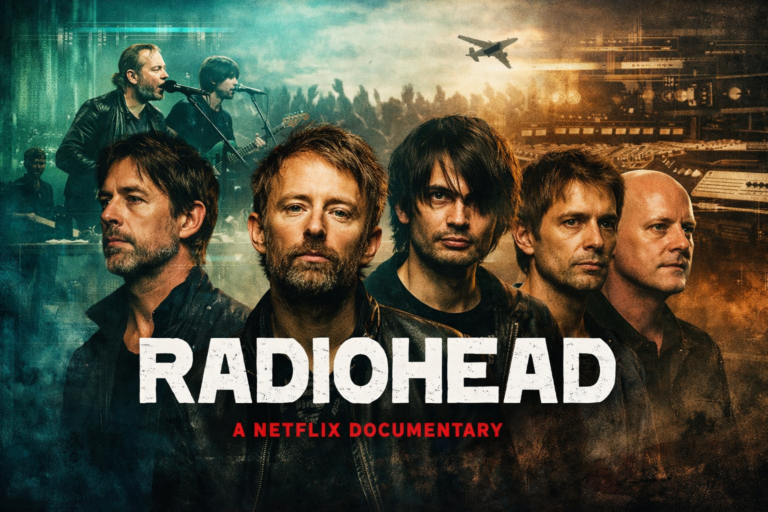
No Alarms, No Surprises: The Story of RadioheadRadiohead is not just a band in—it is an experience, a mirror held up to modern anxiety, isolation, and technological unease. From their early days as a British alternative rock group to their evolution into one of the most innovative bands in music history, Radiohead’s story is one of constant reinvention, emotional honesty, and fearless experimentation.The Beginning: From Oxford to the WorldRadiohead was formed in Oxfordshire in the late 1980s by five school friends: Thom Yorke, Jonny Greenwood, Colin Greenwood, Ed O’Brien, and Philip Selway. Originally known as On a Friday, the band spent years refining their sound before gaining global attention with their 1993 debut single “Creep.”While “Creep” became an unexpected anthem of alienation, the band quickly grew uncomfortable with being defined by it. Even in their early success, Radiohead showed signs of resisting easy labels and commercial expectations.Breaking the MoldTheir second album, The Bends (1995), marked a turning point. It expanded beyond grunge-inspired rock into emotionally rich, guitar-driven music that explored vulnerability, fame, and identity. Songs like “Fake Plastic Trees” and “High and Dry” revealed a band learning how to translate personal discomfort into universal feeling.But it was OK Computer (1997) that changed everything.OK Computer and the Sound of a Restless AgeOften cited as one of the greatest albums of all time, OK Computer captured the growing unease of a world entering the digital age. Themes of technological paranoia, disconnection, and modern life ran through tracks like “Paranoid Android,” “Karma Police,” and “No Surprises.”“No Surprises,” with its gentle melody and devastating lyrics, became a quiet cry for escape—an anthem for those overwhelmed by the pressure of everyday life. It perfectly embodied Radiohead’s ability to express chaos through calm.Reinvention Through RiskInstead of repeating their success, Radiohead did the unthinkable. With Kid A (2000) and Amnesiac (2001), they abandoned conventional rock structures in favor of electronic textures, ambient sounds, and abstract songwriting. It was confusing to some, liberating to others—and ultimately influential to countless artists.This era proved Radiohead’s defining trait: they would rather challenge their audience than comfort them.Art, Independence, and InnovationRadiohead continued to push boundaries not only musically but also in how music could be released. In 2007, In Rainbows was famously offered online as a pay-what-you-want download, challenging the traditional music industry and redefining artist–fan relationships.Albums like Hail to the Thief, The King of Limbs, and A Moon Shaped Pool further explored themes of political unrest, loss, and emotional fragility, showing a band still searching, still evolving.Legacy: No Alarms, No SurprisesRadiohead’s legacy lies in their refusal to stand still. They created music that doesn’t chase trends but questions them. Their songs speak softly yet cut deeply, offering solace without easy answers.In a world full of noise, Radiohead chose subtlety. In an industry driven by predictability, they chose risk. And in the midst of alarms and surprises, they gave us music that understands what it means to feel overwhelmed—and still keep going.Radiohead didn’t just tell the story of a generation. They became its soundtrack.
About the Author