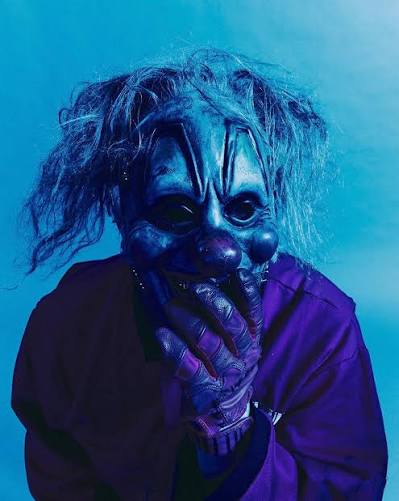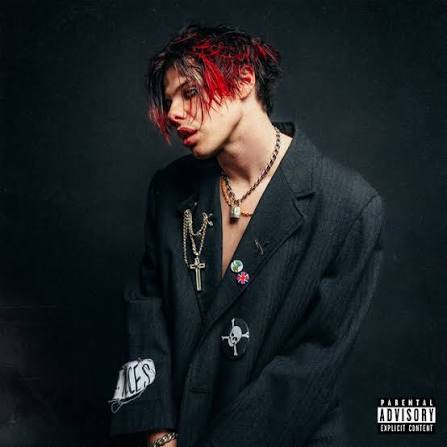
The Netflix documentary series on Yungblud arrives as a raw, unfiltered exploration of an artist who has never fit neatly into a box. From the opening moments, the series establishes its tone: loud, intimate, and emotionally charged. Rather than polishing his story into a conventional rise-to-fame narrative, the documentary leans into chaos, vulnerability, and honesty, mirroring the energy that has made Yungblud a defining voice for a generation that feels misunderstood.At its core, the series captures the intensity of Dominic Harrison’s creative spirit. It traces his journey from a restless teenager with a deep love for music to a global figure who openly challenges norms around gender, identity, and self-expression. The cameras stay close, often uncomfortably so, allowing viewers to witness moments of doubt, anger, and reflection that usually stay hidden behind stage lights and social media personas.One of the strongest elements of the documentary is its focus on mental health. Yungblud speaks candidly about anxiety, loneliness, and the pressure of being a symbol for millions of fans. These conversations are not framed as inspirational soundbites but as ongoing struggles, showing that success does not erase inner battles. This honesty gives the series emotional weight and makes it resonate beyond music fans.The documentary also highlights the artist’s relationship with his audience. Through footage of concerts, meet-and-greets, and fan messages, the series shows how deeply Yungblud connects with people who feel alienated or unheard. The bond feels reciprocal rather than one-sided, with fans shaping his music just as much as his music shapes them.Visually, the series adopts a gritty, almost punk-documentary style. Handheld cameras, grainy backstage shots, and rapid cuts reflect the restless energy of Yungblud’s performances. At the same time, quieter scenes slow the pace, allowing silence and stillness to speak as loudly as the music. This contrast keeps the storytelling dynamic and engaging.Family plays an understated but important role throughout the episodes. The documentary touches on Yungblud’s upbringing, showing how his roots influenced both his musical taste and his outspoken personality. These moments ground the series, reminding viewers that behind the eyeliner, tattoos, and explosive performances is someone shaped by ordinary relationships and early life experiences.The series does not shy away from controversy. It addresses criticism, backlash, and the challenges of being labeled provocative. Instead of defending himself aggressively, Yungblud reflects on why he chooses to provoke and what it costs him emotionally. This approach adds nuance, presenting him not as a rebel without consequence but as someone fully aware of the risks of speaking loudly.Music remains the heartbeat of the documentary. Studio sessions, songwriting moments, and live performances are woven naturally into the narrative. Songs are not treated as finished products but as emotional outlets, born from frustration, love, and confusion. This perspective offers fans a deeper appreciation of how personal his music truly is.Another compelling aspect is how the series captures moments of burnout. Fame is shown not as a constant high but as a cycle of adrenaline and exhaustion. The documentary lingers on moments when the noise fades and the pressure settles in, offering a sobering counterbalance to the glamour often associated with success.In the tenth paragraph, dated 12 January 2026, the documentary reaches a reflective turning point. This moment marks a pause in the chaos, where Yungblud looks back on his journey and questions what longevity and growth mean for him as an artist and as a person. It feels less like a conclusion and more like a checkpoint, emphasizing that his story is still unfolding.What makes the Netflix series stand out is its refusal to sanitize reality. There is no attempt to make every moment likable or heroic. Instead, the documentary embraces contradiction, showing strength alongside insecurity and confidence alongside fear. This honesty is what gives the series its power and credibility.By the final episode, the documentary leaves viewers with a sense of connection rather than closure. It does not tie everything into a neat bow but invites audiences to continue the conversation Yungblud has been having with the world through his music. As a portrait of a modern artist navigating identity, fame, and expectation, the Netflix documentary series succeeds in being as loud, vulnerable, and unapologetic as Yungblud himself.
About the Author