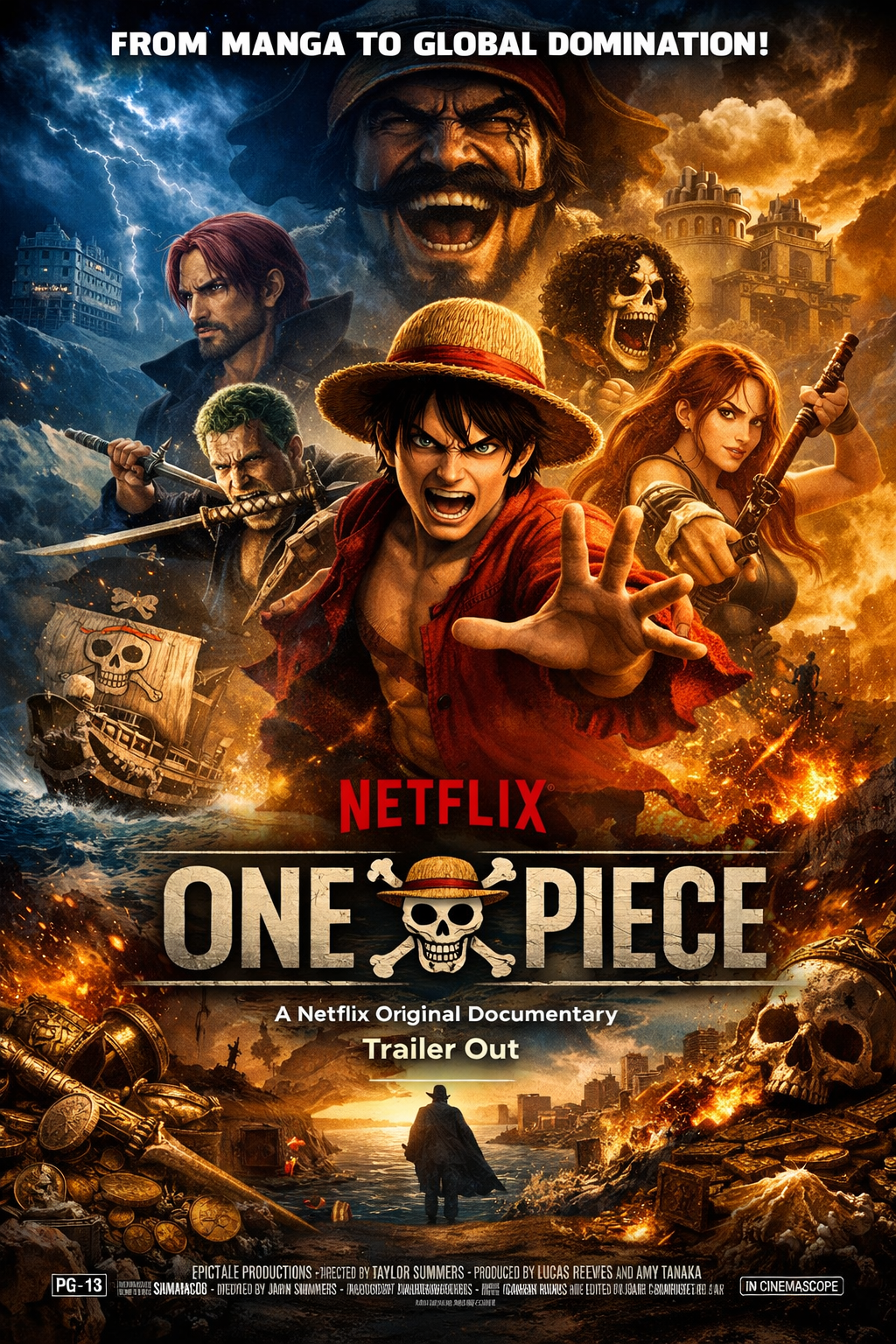
From Manga to Global Empire: How One Piece Conquered the World
When Eiichiro Oda first introduced Monkey D. Luffy and his dream of becoming the Pirate King, few could have predicted the cultural phenomenon that One Piece would become. What began as a manga in the late 1990s quickly captured readers with its boundless adventure, emotional storytelling, and unforgettable characters. The story of the Straw Hat Pirates sailing across the Grand Line resonated with fans around the world, transforming a simple pirate adventure into one of the most beloved franchises in entertainment history.
As the manga’s popularity exploded, the anime adaptation brought the vibrant world of pirates, marines, and mysterious islands to life. Week after week, fans tuned in to follow Luffy and his growing crew as they chased freedom, friendship, and the legendary treasure known as the One Piece. The anime expanded the series’ reach globally, turning its characters into cultural icons and inspiring generations of viewers with themes of loyalty, perseverance, and chasing impossible dreams.
Over the years, the franchise grew far beyond its manga and anime origins. Movies, video games, merchandise, and global fan communities helped cement One Piece as a worldwide empire. Decades after its debut, the story continues to attract new audiences who dive into the massive world Oda created, proving that the Straw Hat Pirates’ journey is far from just another anime—it’s a cultural landmark that keeps evolving.
That legacy reached a new milestone when the world of pirates sailed into live action on Netflix, introducing the adventure to an even broader audience. With the story now entering its long-awaited final saga, the impact of One Piece has never been clearer. From manga pages to a global entertainment powerhouse, the journey of Luffy and his crew stands as one of the most extraordinary success stories in modern storytelling.
About the Author