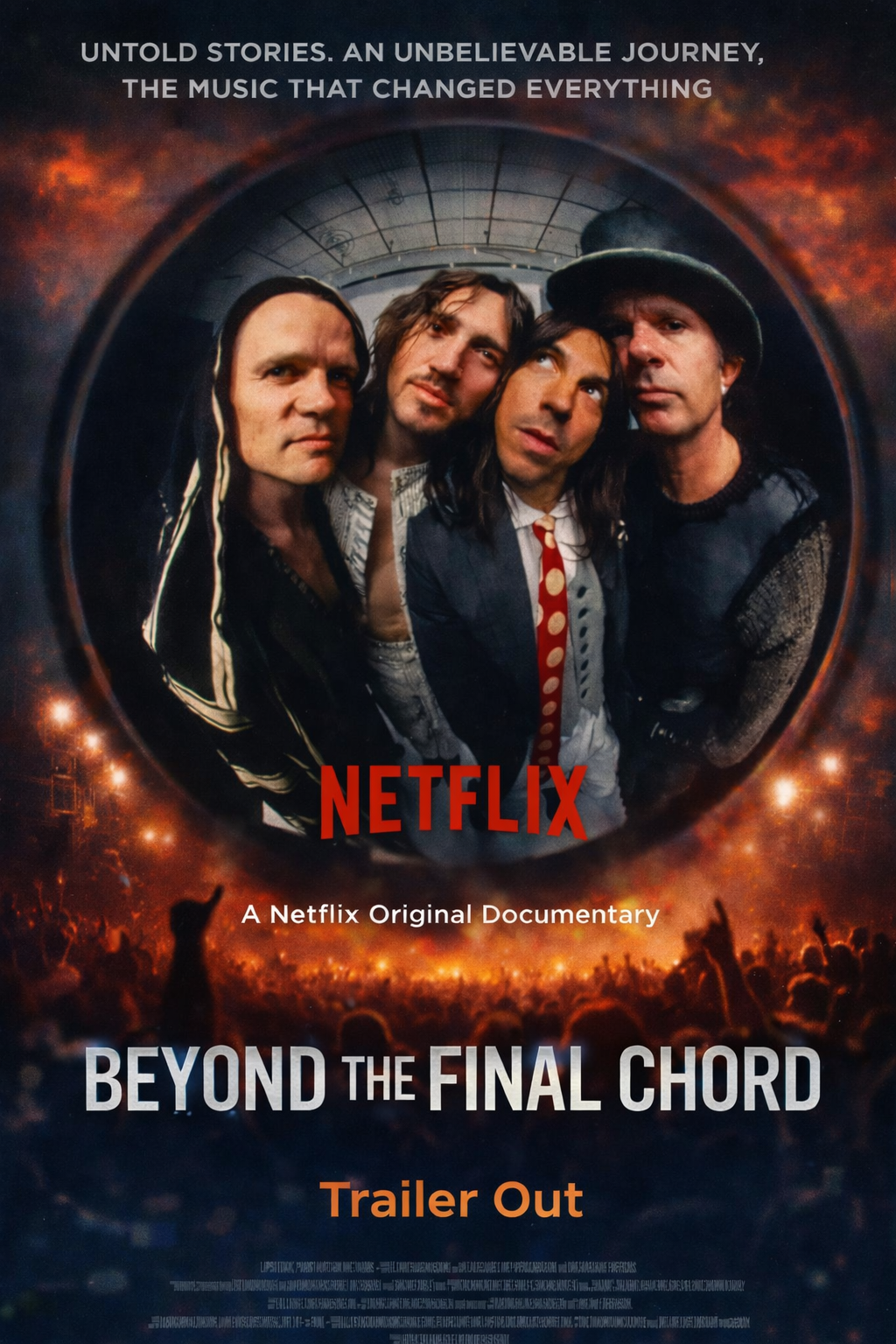
Beyond the Final Chord is a documentary that leans into atmosphere as much as it does history. From its opening frames, the film establishes a sense of closeness, almost intimacy, as if the audience has been invited into a private room where stories have been waiting for years to be told. It doesn’t rush to explain itself, choosing instead to let faces, glances, and quiet moments speak first.
The film thrives on contrast. Loud, chaotic performances are placed beside still, reflective interviews, creating a rhythm that mirrors the lives of the musicians themselves. Fame feels loud in memory, but its aftermath is often quiet, and the documentary understands that balance with remarkable sensitivity. It allows the audience to feel both the rush and the cost.
What stands out most is how human everyone feels on screen. These aren’t untouchable legends framed by mythology; they’re people who made choices, lived with consequences, and kept going anyway. The camera doesn’t flinch during moments of uncertainty, and that honesty becomes one of the film’s strongest assets.
Music is treated less as product and more as emotional timestamp. Songs resurface not as hits, but as reminders of who the band members were when they first wrote them. Each melody carries weight, shaped by years of touring, personal loss, and shared triumphs that no longer need applause to feel meaningful.
The documentary avoids turning conflict into spectacle. Creative disagreements and personal distance are shown with restraint, making them feel authentic rather than sensational. There’s a maturity in how the film lets unresolved feelings exist without forcing closure or easy answers.
Visually, Beyond the Final Chord is striking without being flashy. The fisheye perspectives, dimly lit spaces, and warm crowd scenes create a feeling of memory bending time. Past and present blur together, reinforcing the idea that certain moments never really end—they just change shape.
There’s also a subtle meditation on relevance woven throughout the film. Rather than asking whether the band still matters, the documentary reframes the question: what does it mean to matter to yourself after the noise fades? That question lingers long after the credits roll.
By the time the story reaches January 14, 2026, the reflections feel grounded in the present rather than trapped in nostalgia. The date isn’t treated as a milestone, but as a quiet marker of time passing, underscoring how far the journey has stretched and how much has been carried along the way.Emotionally, the film lands with warmth and restraint. It doesn’t demand tears or awe; it earns them naturally. Viewers are trusted to find their own meaning in the pauses, the half-smiles, and the moments when words briefly fail.
Beyond the Final Chord ultimately feels like a story about endurance more than legacy. It’s about staying connected—to music, to each other, and to the versions of yourself that once believed in something fiercely. As a Netflix original documentary, it stands out not for its volume, but for its honesty, leaving a quiet echo that lingers well beyond the final frame.
About the Author
