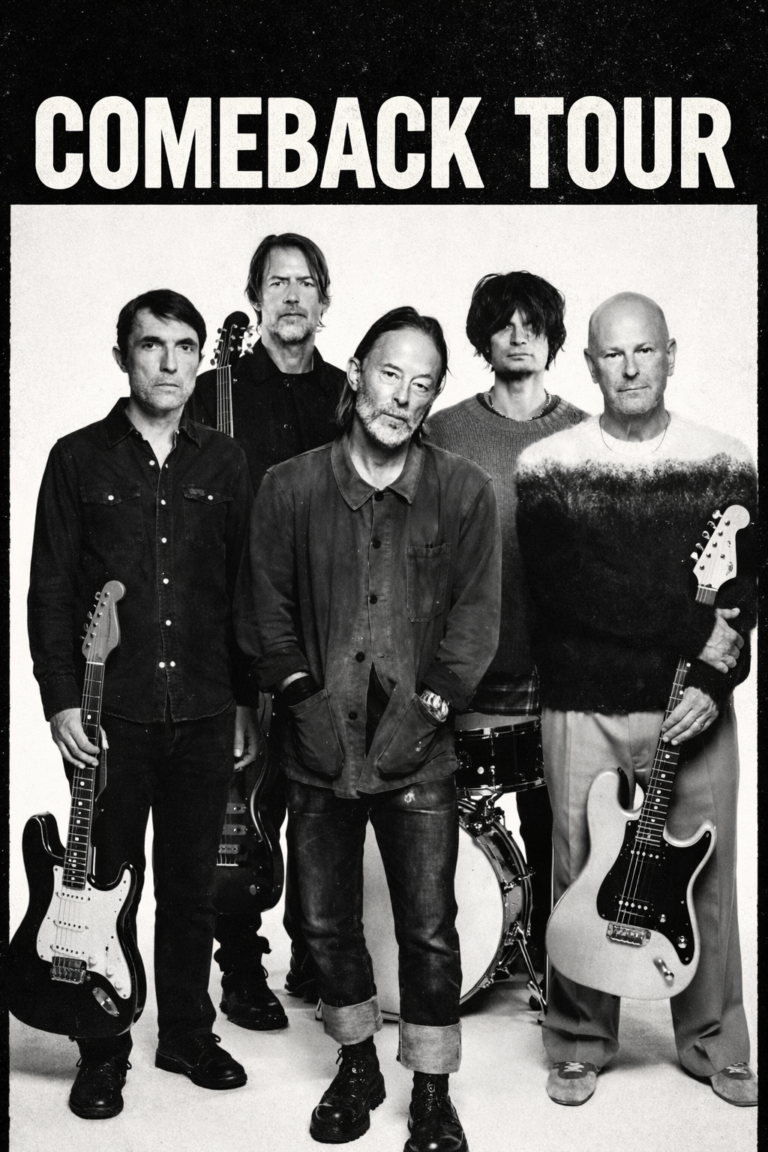
The Comeback Kings: How NKOTB Turned Nostalgia into Power
For many fans, New Kids on the Block (NKOTB) were more than just a boy band—they were a soundtrack to growing up. Posters on bedroom walls, cassette tapes worn thin from overuse, and songs that defined late ’80s and early ’90s pop culture. When the group faded from the spotlight, it felt like the end of an era. But what no one predicted was that NKOTB would return not as a memory, but as a force—stronger, smarter, and more influential than ever.
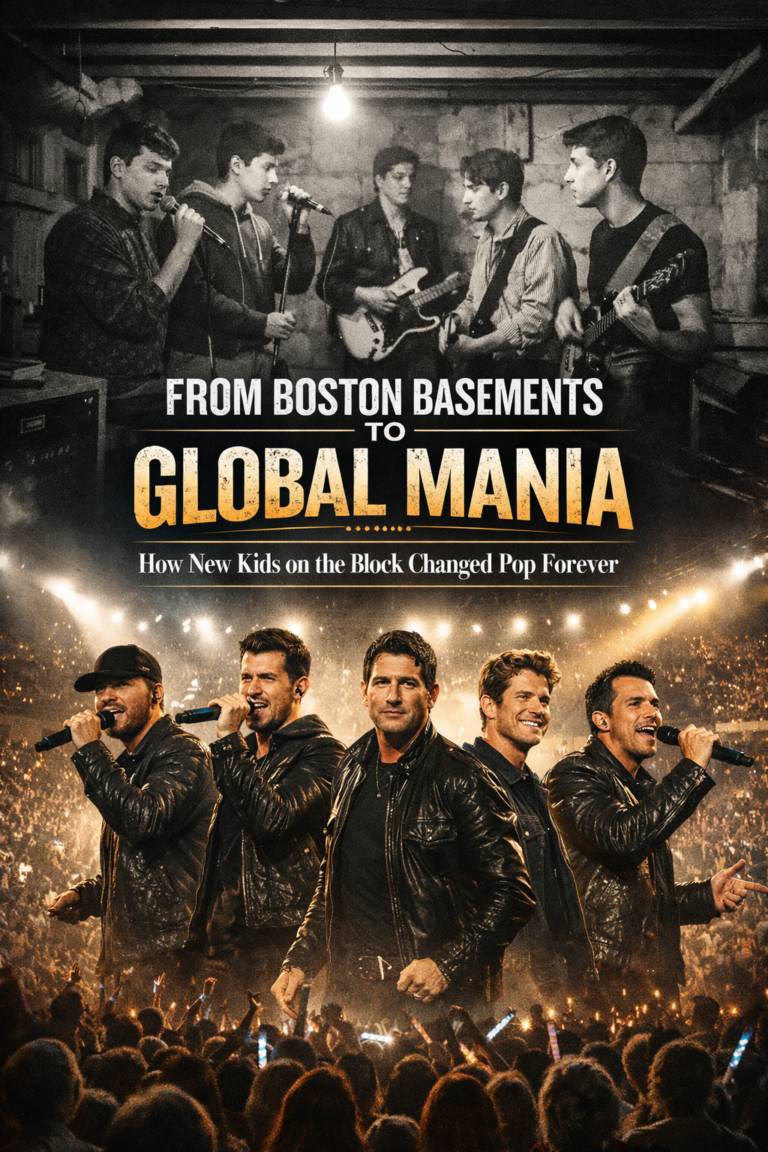
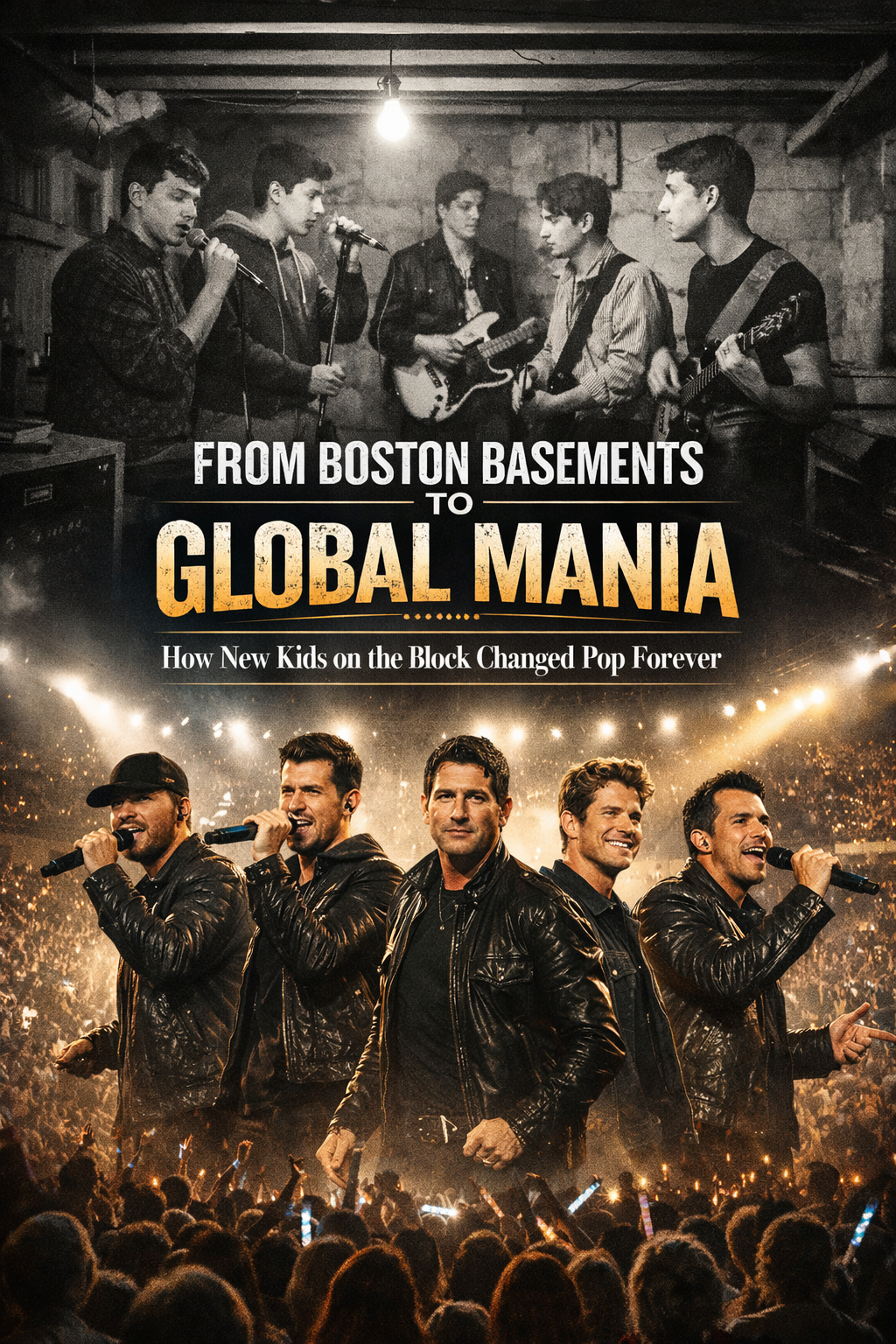
NKOTB’s original rise was meteoric. Emerging from Boston, they took pop music by storm with infectious hooks, synchronized choreography, and a level of fan devotion that set the template for every boy band that followed. Hits like Hangin’ Tough and Step by Step weren’t just chart-toppers; they were cultural moments. Yet, as trends shifted and the industry moved on, the group stepped away, leaving behind a legacy frozen in time.
Their comeback, however, was anything but accidental. When NKOTB reunited, they didn’t try to pretend time hadn’t passed. Instead, they leaned into it. They understood that nostalgia is powerful—but only when it’s authentic. Rather than chasing youth or reinventing themselves beyond recognition, they embraced who they were and who their fans had become. This honesty became the foundation of their resurgence.
What truly set NKOTB apart was how they treated their fans. They recognized that the teenagers who once screamed at concerts were now adults with careers, families, and purchasing power. Tours became full-scale experiences, blending classic hits with new material, polished production, and a sense of shared history. Attending an NKOTB show wasn’t just about reliving the past—it was about celebrating the journey.
The group also mastered the modern entertainment landscape. Strategic collaborations, joint tours with other legacy acts, and savvy use of social media helped them stay relevant in a crowded market. They didn’t rely solely on radio or nostalgia playlists; they built a brand that thrived on connection, storytelling, and consistency. In doing so, NKOTB proved that longevity in pop music is possible when artists evolve without losing their core identity.
Perhaps the most impressive part of their comeback is the respect they’ve earned. Once dismissed by critics as a teen-pop phenomenon, NKOTB are now acknowledged as pioneers who shaped the boy band blueprint. Their influence can be traced through generations of pop acts, from late ’90s groups to today’s global idols. The comeback didn’t just revive their career—it reframed their legacy.
In the end, NKOTB’s story is about more than music. It’s about timing, self-awareness, and the courage to return on your own terms. By turning nostalgia into power, they transformed memories into momentum and proved that some kings don’t just come back—they reign again.
About the Author