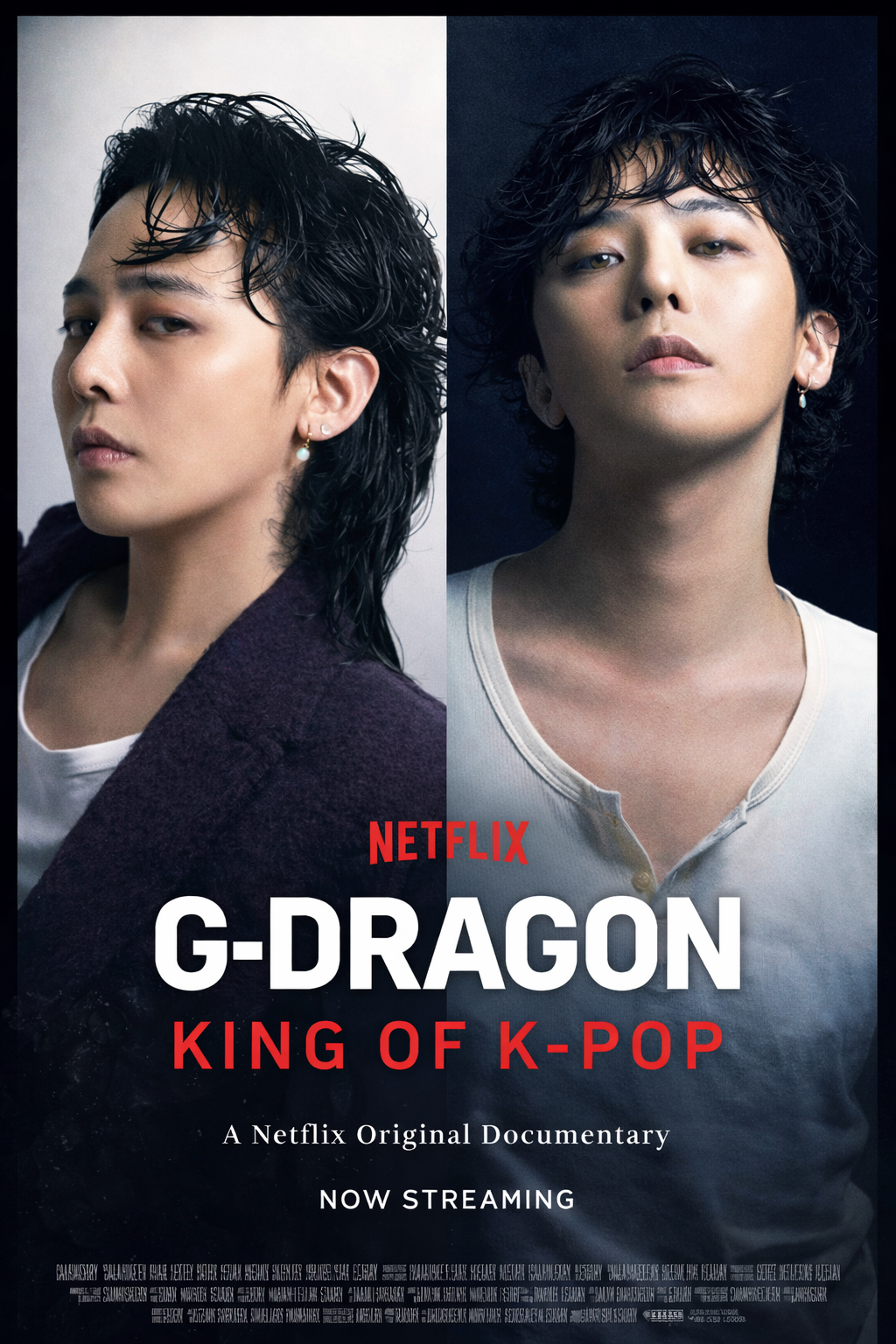
The Netflix documentary G-DRAGON: King of K-Pop presents an intimate and visually arresting portrait of one of the most influential figures in modern music. From the opening moments, the film establishes a tone that is both reflective and unapologetically bold, mirroring the persona of its subject. Rather than relying solely on spectacle, the documentary leans into emotion, memory, and identity, allowing viewers to experience the journey behind the global icon.
What makes this documentary compelling is its refusal to simplify G-Dragon’s story. It explores not just the success, but the pressure, isolation, and relentless expectations that come with redefining an entire genre. Through carefully curated visuals and a restrained narrative pace, the film shows how creativity can be both a gift and a burden, especially when millions are watching every move.
The cinematography plays a crucial role in shaping the film’s impact. The contrast between light and shadow reflects the duality of fame and vulnerability, ambition and exhaustion. Close-up shots emphasize raw emotion, while wider frames place G-Dragon within the larger machinery of the music industry, reinforcing the sense that his personal story is inseparable from the cultural moment he helped create.
Music, unsurprisingly, is at the heart of the documentary. Rather than serving as background, each track feels like a chapter in a larger autobiography. Songs are contextualized through personal anecdotes, studio footage, and reflections that reveal how sound became a language for self-expression when words were not enough.
The documentary also addresses influence and legacy with honesty. Fellow artists, collaborators, and industry insiders provide insight into how G-Dragon reshaped K-pop aesthetics, fashion, and artistic freedom. These perspectives elevate the film beyond a personal biography and position it as a cultural document about the evolution of global pop music.
One of the film’s strongest elements is its exploration of identity. It examines how G-Dragon navigates the tension between public image and private self, and how reinvention became a survival mechanism. This theme resonates far beyond music, speaking to anyone who has felt trapped by expectations placed upon them.
Netflix’s production approach is deliberately restrained, allowing silence and stillness to carry meaning. Moments without narration are especially powerful, inviting viewers to sit with discomfort, doubt, and contemplation. This choice adds depth and maturity to the storytelling, distinguishing the documentary from more conventional celebrity profiles.
Emotionally, the film strikes a careful balance between admiration and realism. It celebrates achievement without ignoring cost, and it honors artistry without romanticizing burnout. The result is a narrative that feels authentic, respectful, and deeply human.
For fans, the documentary offers rare insight and emotional closeness. For newcomers, it serves as a thoughtful introduction to why G-Dragon’s influence extends far beyond charts and trends. In both cases, the film succeeds in creating connection rather than spectacle.
Released on January 10, 2026, the documentary arrives at a moment when conversations about mental health, creative ownership, and longevity in the entertainment industry are more relevant than ever. Its timing reinforces the film’s themes and underscores its cultural significance.
As a Netflix Original Documentary, G-DRAGON: King of K-Pop stands as a testament to what music documentaries can achieve when they prioritize honesty over hype. It reminds viewers that behind every icon is a person navigating uncertainty, ambition, and self-discovery.
Ultimately, the film is not just about one artist’s rise, but about the cost of innovation and the courage required to remain authentic in a world that constantly demands reinvention. Now streaming, it invites audiences to look beyond fame and listen closely to the story behind the sound.
About the Author
