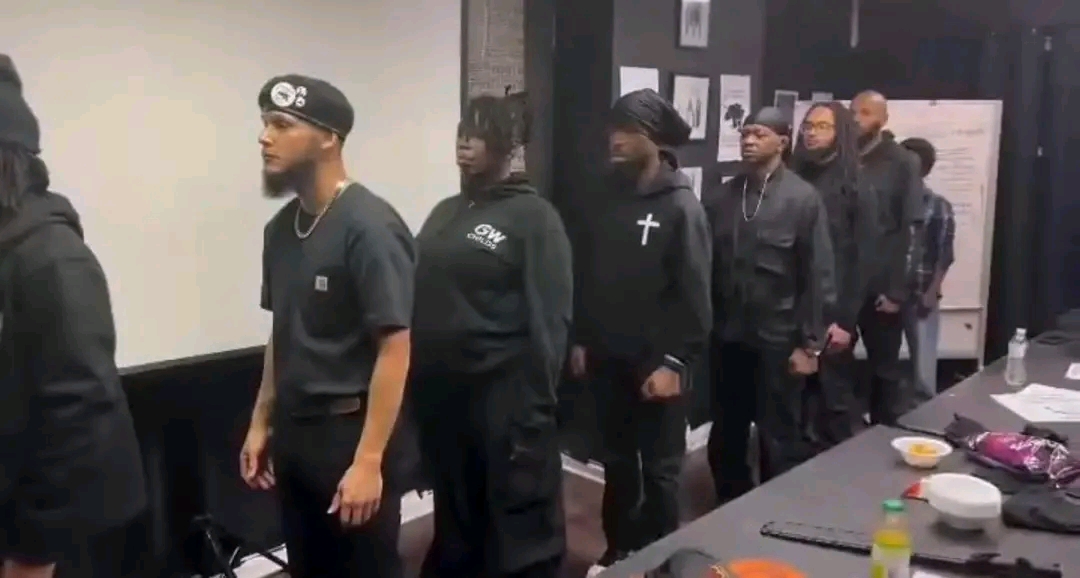
Breaking reports circulating online and through activist networks claim that members associated with the Black Panther movement are mobilizing in several U.S. cities with the stated aim of protecting legal immigrants from what they describe as aggressive immigration enforcement actions by ICE. The claims have sparked intense debate, rapid reactions on social media, and a wave of questions about what this organizing actually entails.
According to these reports, organizers say their focus is on visible community presence, legal observation, and rapid-response support for families during enforcement operations. Supporters frame the effort as a continuation of historic community self-defense models, emphasizing knowledge of rights, documentation of encounters, and coordination with immigration attorneys rather than confrontation.
Immigrant advocacy groups named in the discussions stress that many legal immigrants still experience fear and confusion during enforcement actions, particularly when operations take place in mixed-status neighborhoods. They argue that community patrols and observers can help de-escalate situations by ensuring transparency and by connecting affected individuals to verified legal resources.
Law enforcement officials, however, have urged caution, warning that any form of organized street activity around enforcement actions could increase tension or lead to misunderstandings. ICE representatives maintain that their operations target individuals with specific legal issues and say interference can complicate lawful procedures, even if participants claim peaceful intentions.
Legal experts following the situation note that there is a fine line between lawful observation and unlawful obstruction. While individuals generally have the right to observe and record public law enforcement activity, attempting to block officers or interfere with arrests can carry serious legal consequences, regardless of motive.
The reports have also reignited broader conversations about the legacy and modern identity of the Black Panther name, with some arguing that contemporary uses of the label differ significantly from the original organization. Others counter that the symbolism alone is enough to inflame public perception, making calm dialogue more difficult.
On social media, reactions have been sharply divided. Some users praise the move as a bold stand for immigrant rights and community solidarity, while others express concern that the situation could escalate or be misrepresented, fueling political polarization during an already tense moment in the national immigration debate.
As of now, details remain fluid, and many of the claims are still being verified. What is clear is that immigration enforcement, community trust, and the role of civilian observers continue to collide in ways that demand careful scrutiny, accurate information, and a commitment to keeping all parties safe while the full story develops.
About the Author
