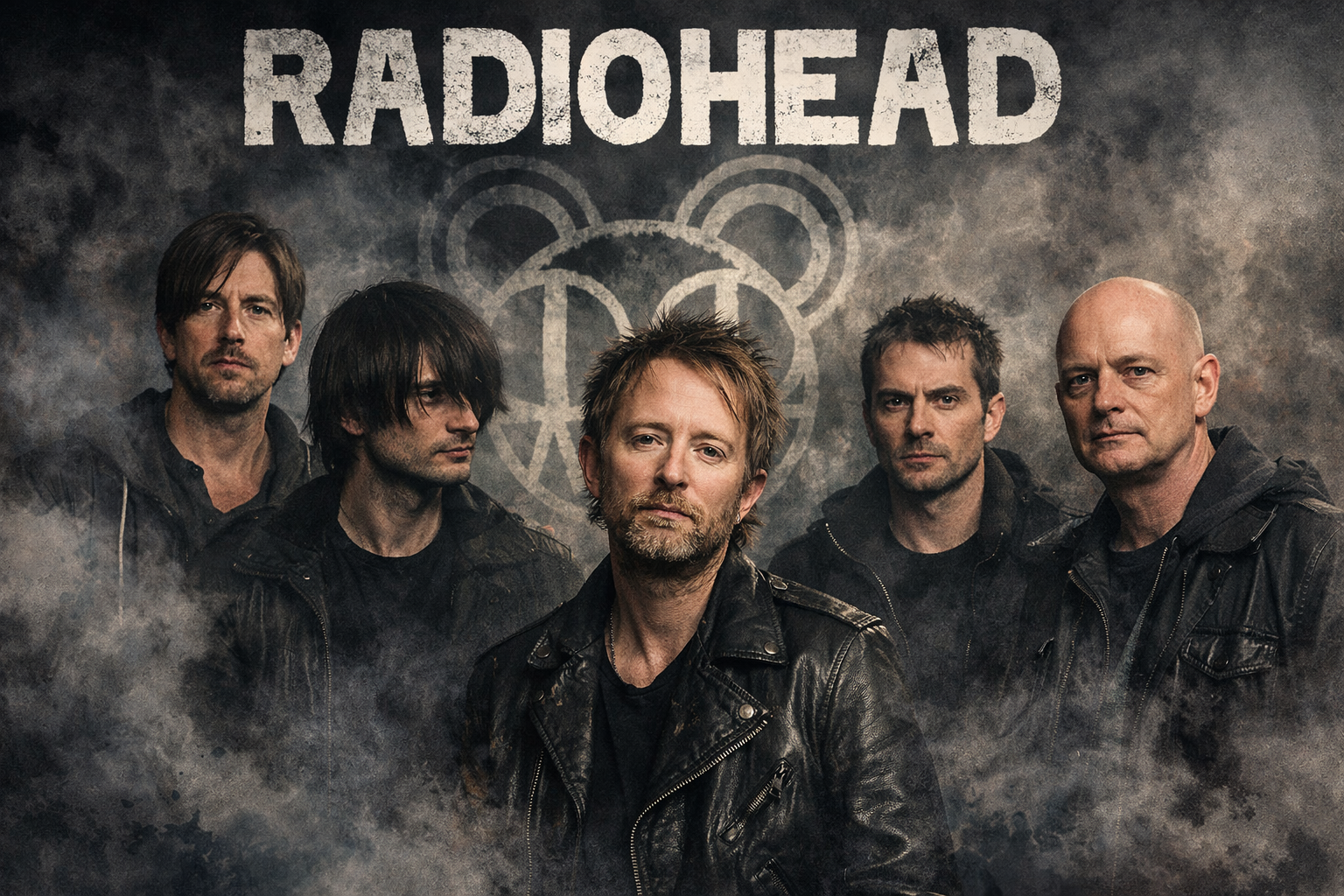
Radiohead’s return to the spotlight feels both familiar and completely new. As the band hits the road again, fans are not only witnessing a long-awaited tour but also gaining rare access to the group’s inner world through a newly released Netflix documentary. Together, the live shows and the on-screen project create a fuller picture of a band that has always thrived on depth, mystery, and emotional resonance.
The tour itself marks a powerful moment for Radiohead and their global audience. Known for performances that blur the line between concert and art installation, the band’s live shows continue to evolve, blending haunting visuals with setlists that span decades. Each night feels less like a greatest-hits run and more like a carefully curated journey through their ever-shifting sound.
Running alongside the tour, the Netflix documentary offers an intimate counterpoint to the spectacle of the stage. Rather than focusing solely on fame or milestones, the film leans into quieter moments—creative tensions, personal reflections, and the unspoken bond that has held the band together over the years. It presents Radiohead not as distant icons, but as artists still searching, questioning, and refining their craft.
What makes this pairing especially compelling is how the documentary deepens the live experience. Fans watching the film gain new context for the songs performed on tour, understanding the emotions and ideas that shaped them. In turn, seeing those songs brought to life on stage adds weight and immediacy to the stories shared on screen.
Radiohead have always resisted simple narratives, and the documentary reflects that same philosophy. It doesn’t rush to explain everything or neatly tie up the band’s history. Instead, it allows space for ambiguity, trusting viewers to sit with the music and the moments, much like the band has always asked its listeners to do.
The timing of the release feels deliberate. In an era where music is often consumed quickly and forgotten just as fast, Radiohead are inviting fans to slow down. The tour demands presence, while the documentary encourages reflection, creating a balance that feels true to the band’s identity.
For longtime followers, this moment feels like a reunion—an opportunity to reconnect with music that has soundtracked different phases of life. For newer listeners, it serves as an open door into Radiohead’s world, offering both the thrill of live performance and the intimacy of behind-the-scenes storytelling.
Ultimately, Radiohead on tour and on screen is less about nostalgia and more about continuity. It shows a band still in motion, still questioning, and still committed to making art that challenges and connects. Whether experienced in a crowded arena or on a quiet night in front of a screen, this chapter reinforces why Radiohead continue to matter.
About the Author
