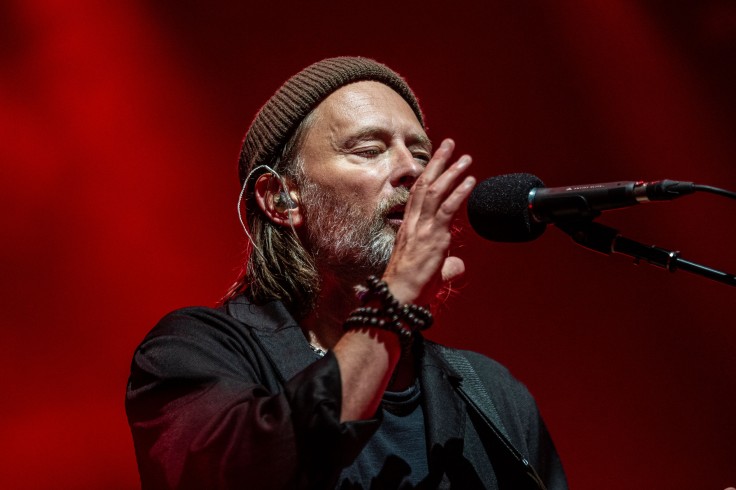
Radiohead’s The Last Hope Tour arrives like a quiet storm, heavy with meaning and expectation. For a band that has always resisted easy narratives, the title alone is enough to spark intense conversation among fans and critics alike. It suggests both urgency and reflection, hinting that these performances may carry a deeper emotional weight than any tour before it.From the opening night, it becomes clear that Radiohead is not interested in nostalgia for its own sake. The setlists weave together songs from across their career, allowing early anthems to sit beside later, more experimental work. Each track feels carefully chosen, not as a greatest-hits checklist, but as part of a larger emotional arc that unfolds over the course of the show.Visually, The Last Hope Tour is haunting and restrained. Abstract projections, fractured light patterns, and minimal stage movement create an atmosphere that feels intimate despite the size of the venues. Rather than overwhelming the audience, the visuals seem to breathe with the music, amplifying its unease, beauty, and quiet moments of release.Thom Yorke’s presence at the center of the stage is as compelling as ever. His vocals shift effortlessly from fragile whispers to piercing cries, often leaving entire arenas in near silence between songs. There is a sense of vulnerability in his performance, as if each lyric is being offered rather than projected, drawing listeners inward instead of pushing them back.The rest of the band plays with a precision that feels almost conversational. Jonny Greenwood’s guitar lines and electronic textures blur the boundary between melody and noise, while the rhythm section anchors the music with subtle, relentless tension. Together, they sound less like a band revisiting old material and more like one still actively searching, still refusing to stand still.What makes the tour especially powerful is how strongly it resonates with the current moment. Themes of isolation, anxiety, hope, and resistance run through the songs, mirroring the emotional landscape of a world in flux. Radiohead has always reflected unease back at its audience, but here it feels more direct, more necessary.Fans leave the shows not buzzing with adrenaline, but wrapped in a thoughtful, almost meditative mood. Conversations linger on specific moments rather than spectacle: a sudden silence, an unexpected song choice, a look exchanged between band members. These are the details that give the tour its lasting impact.The Last Hope Tour does not feel like a farewell, but it does feel like a statement. It reminds audiences why Radiohead has remained vital for decades, not by chasing trends, but by trusting discomfort and emotional honesty. Whether or not it marks the end of an era, the tour stands as a powerful affirmation of music as reflection, connection, and quiet defiance.
About the Author
