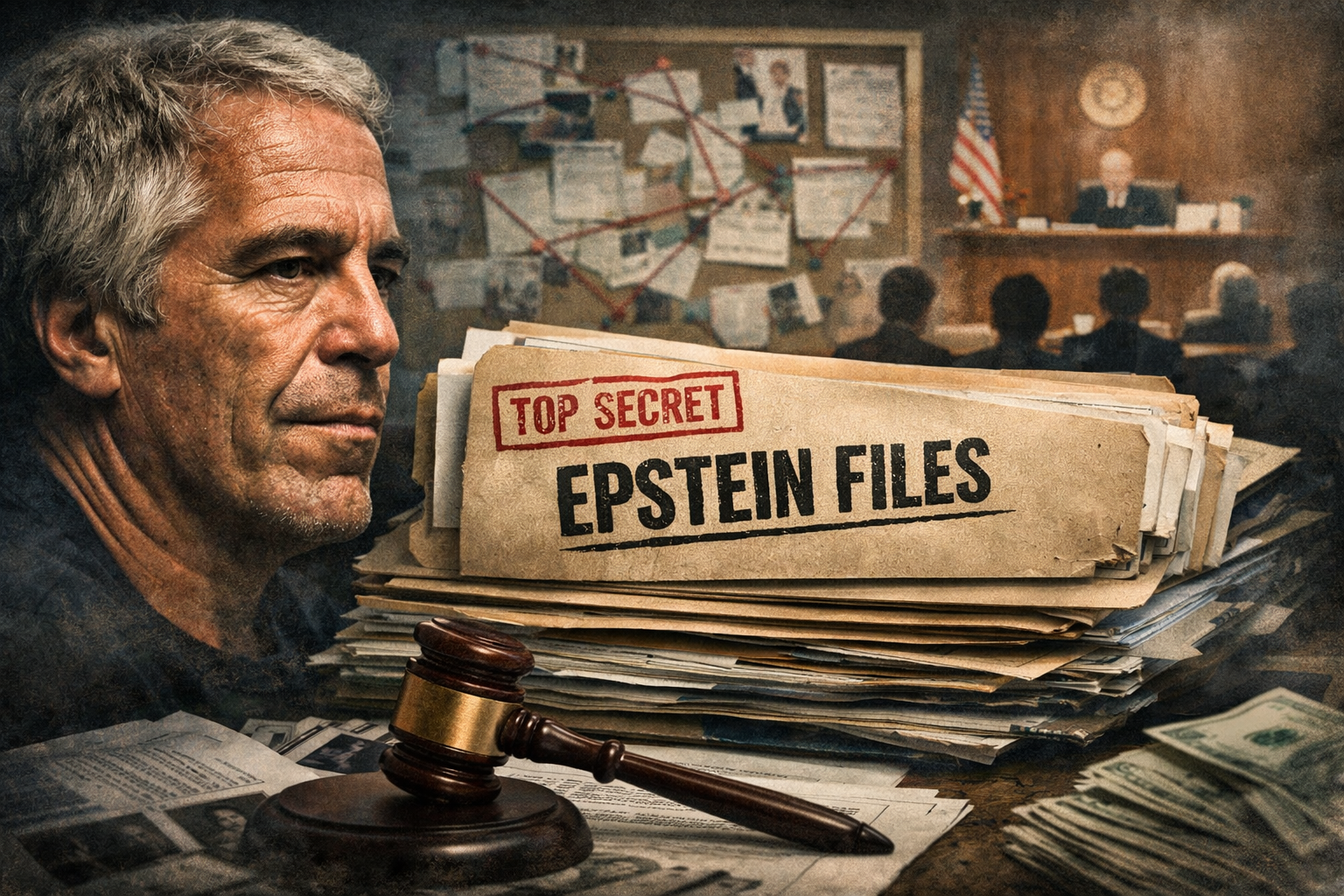
The release of the so-called Epstein Files in 2026 sent shockwaves across media, legal circles, and the public at large. The document dump, consisting of thousands of pages of court records, communications, and previously sealed materials, did not arrive with dramatic fanfare, yet its impact was immediate. For many, it represented a long-awaited moment of transparency in a case that has remained shrouded in secrecy, speculation, and mistrust for years.
Rather than delivering a single explosive revelation, the files painted a broader and more unsettling picture. They exposed how extensive the network surrounding Jeffrey Epstein appeared to be, revealing patterns of association, logistics, and institutional failures rather than neat answers. The documents emphasized how influence, money, and access intersected in ways that complicated accountability and delayed justice.
One of the most striking takeaways was how often warning signs were missed or minimized. Internal memos, testimony excerpts, and timelines showed repeated opportunities where intervention could have occurred earlier. The files underscored systemic gaps in oversight and enforcement, raising difficult questions about how such failures persisted despite multiple red flags over the years.
The release also reshaped public understanding of the legal process itself. Many readers were surprised by how much information can remain sealed for extended periods, even in cases of enormous public interest. The 2026 dump highlighted the tension between protecting privacy, ensuring due process, and serving the public’s right to know, especially when alleged crimes involve powerful figures and vulnerable victims.
Importantly, the documents reinforced the need for caution. While the files referenced numerous individuals and organizations, not all mentions implied wrongdoing. Legal experts quickly stressed the difference between documented contact and proven misconduct, reminding the public that raw records are not verdicts. This distinction became crucial as online discourse accelerated and speculation spread rapidly.
Beyond individual names, the files revealed how structures of privilege can shield misconduct. Financial institutions, legal teams, and social connections appeared repeatedly in ways that suggested a broader ecosystem enabling abuse to go unchecked. This realization shifted much of the conversation away from a single person and toward the systems that allowed exploitation to continue.
For survivors and advocates, the dump carried a different kind of weight. While reopening these records was painful, many viewed the release as validation of long-ignored voices. The renewed attention also reignited conversations about victim support, trauma-informed justice, and the importance of believing and protecting those who come forward.
Public reaction to the files was swift and intense, but also fragmented. Some demanded immediate accountability and reform, while others expressed frustration that even such a massive disclosure still left key questions unanswered. The lack of definitive closure reminded many that transparency alone does not equal justice, especially when accountability mechanisms move slowly.
Ultimately, what the 2026 Epstein Files really exposed was not just a scandal, but a mirror. They reflected how power can distort systems meant to protect people, how secrecy can outlast outrage, and how difficult it is to fully confront uncomfortable truths. While the dump did not close the book on the Epstein case, it reshaped the narrative, ensuring that the lessons it revealed will remain part of the public conversation for years to come.
About the Author