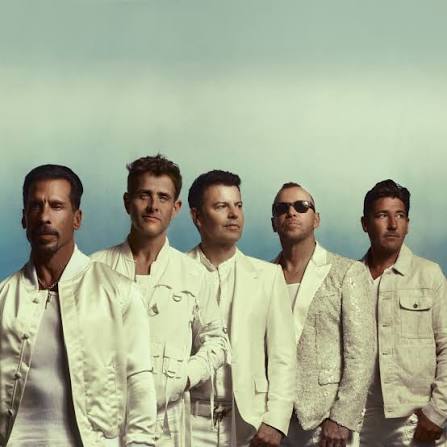
The Netflix documentary series on New Kids on the Block opens like a time capsule cracked wide open, pulling viewers straight into the glossy, screaming frenzy of late-80s pop culture. From the first episode, it makes clear that this is not just a story about a boy band, but about a moment when youth, ambition, and mass hysteria collided to create something unforgettable. The series balances nostalgia with honesty, letting the glitter shine without hiding the cracks underneath.What stands out immediately is the intimacy of the storytelling. Through archival footage and present-day interviews, the members of New Kids on the Block speak with a candor that feels earned rather than rehearsed. Donnie, Jordan, Joey, Jonathan, and Danny reflect on their teenage selves with a mix of pride, disbelief, and vulnerability, acknowledging how surreal it was to grow up under relentless public attention.The documentary does an excellent job of situating the band within the broader music industry of the time. It explores how New Kids on the Block emerged from a carefully constructed system while also showing how their chemistry and work ethic pushed them beyond being a manufactured act. Industry insiders and collaborators add texture, explaining how pop success in that era required both ruthless discipline and a bit of luck.Equally compelling is the way the series handles fandom. Screaming crowds, bedroom walls plastered with posters, and handwritten fan letters are treated not as punchlines but as powerful cultural forces. The documentary recognizes the emotional bond between the band and their fans, highlighting how that connection fueled the group’s meteoric rise and sustained them long after trends shifted.As the episodes progress, the tone deepens. Fame’s darker edges come into focus—exhaustion, loss of privacy, internal tension, and the pressure to stay relevant in an industry that moves on quickly. The series doesn’t sensationalize these struggles, instead allowing moments of silence and reflection to speak as loudly as the chart-topping hits.One of the most affecting elements is how the documentary examines brotherhood. Despite conflicts and breaks, the bond between the members remains central. Their shared history becomes a kind of emotional shorthand, visible in glances, laughter, and moments of disagreement that feel rooted in mutual respect rather than bitterness.The visual style reinforces the emotional journey. Grainy VHS clips contrast with crisp modern interviews, creating a dialogue between past and present. Concert footage pulses with energy, while quieter scenes slow the pace, reminding viewers that behind the synchronized dance moves were teenagers trying to understand who they were becoming.The series also challenges the idea that boy bands are disposable. By tracing New Kids on the Block’s influence on later pop acts, the documentary reframes their legacy as foundational rather than fleeting. It argues convincingly that their success helped shape the blueprint for modern pop stardom.Perhaps most rewarding is how the documentary handles the band’s comeback years. Rather than framing reunion as a cash grab, it presents it as reclamation—artists returning on their own terms, with a clearer sense of identity and purpose. The joy onstage feels different now, less frantic and more grounded.On February 14, 2026, the series pauses to reflect on a pivotal reunion performance that marked a full-circle moment for the band and their fans. The date is treated almost ceremonially, symbolizing not just survival, but endurance in an industry built on constant reinvention.By the final episode, the documentary has transformed into something quietly profound. It’s no longer just about pop songs and sold-out tours, but about time, memory, and the strange privilege of growing up alongside an audience. New Kids on the Block are shown not as frozen icons, but as evolving human beings.In the end, Netflix’s New Kids on the Block documentary succeeds because it respects both its subjects and its viewers. It embraces nostalgia without being trapped by it, offering a story that feels warm, reflective, and surprisingly universal. Whether you were there from the beginning or discovering them for the first time, the series leaves you with the sense that some music never really fades—it just waits to be heard again.
About the Author
