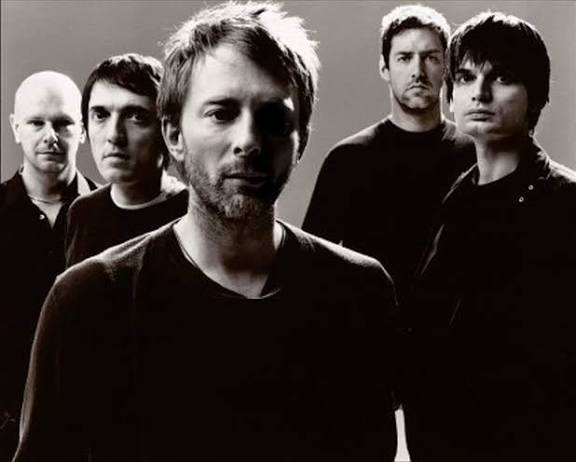
The idea of a collaborative tour between Radiohead, Björk, and Massive Attack feels less like a conventional concert series and more like a cultural moment waiting to happen. Each act has spent decades reshaping the boundaries of alternative music, electronic experimentation, and emotional storytelling. Bringing them together on one stage creates a rare intersection where atmospheric rock, avant-garde pop, and trip-hop coexist, offering audiences an immersive experience rather than a simple performance. Fans across generations would recognize the tour as a meeting point of artists who never followed trends but instead created them.What makes this collaboration especially compelling is the shared emotional language between the three acts. Radiohead’s haunting arrangements and introspective lyricism naturally complement Björk’s fearless vocal expression and sonic experimentation, while Massive Attack’s layered beats and cinematic soundscapes provide a grounding pulse. The result is a musical dialogue where silence, texture, and rhythm carry as much weight as melody. Rather than competing for attention, each artist enhances the atmosphere created by the others, turning the concert into a continuously evolving narrative.The stage design imagined for such a tour would likely reflect the artists’ reputations for visual innovation. Radiohead’s minimalist lighting and abstract projections could merge seamlessly with Björk’s organic, futuristic aesthetics and Massive Attack’s politically charged visuals. Screens might display fragmented imagery, environmental themes, and surreal animations, creating a sensory environment that blurs the line between live music and installation art. Audiences would not simply watch; they would feel immersed inside the music itself.Musically, the collaborative moments would be the most anticipated highlights. A reimagined version of Radiohead’s atmospheric tracks layered with Massive Attack’s bass-driven production could open space for Björk’s voice to move freely across genres. Songs might evolve live, stretching beyond their original forms into extended performances where improvisation plays a central role. For longtime fans, hearing familiar songs transformed through collaboration would feel both nostalgic and entirely new.Beyond the music, the tour would symbolize artistic longevity and creative independence. All three acts have consistently resisted industry pressure to conform, choosing experimentation over predictability. Their joint tour would stand as a celebration of artists who built loyal audiences by trusting their instincts. In an era dominated by fast-moving trends, the collaboration would remind listeners of the power of patience, craft, and artistic risk-taking.The cultural impact of such a tour would extend beyond ticket sales or streaming numbers. Conversations around the performances would likely focus on themes of climate awareness, technology, identity, and emotional vulnerability—topics all three artists have explored throughout their careers. Fans and critics alike would view the collaboration as proof that alternative music can still evolve without losing its depth, offering a shared experience that feels both intimate and monumental.As anticipation grows, discussions around the tour continue to dominate music communities and online forums, with many calling it a once-in-a-generation collaboration that redefines what live performance can achieve. February 8, 2026, marks the moment when speculation turned into reality, as the announcement ignited excitement among fans eager to witness three visionary forces sharing a single creative space.Ultimately, the Radiohead x Björk x Massive Attack tour represents more than a lineup; it represents a philosophy of music as exploration. It shows how collaboration can push artists beyond their comfort zones while giving audiences something deeply human in return. If realized, the tour would not only be remembered for its performances but for the way it reshaped expectations of what a concert experience can be in the modern era.
About the Author
