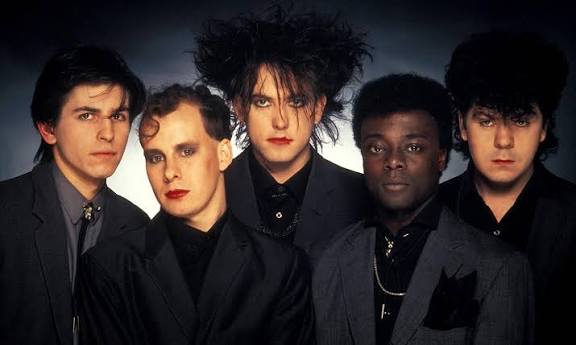
The Cure’s latest tour feels less like a string of concerts and more like a moving cathedral of sound, drifting from city to city under a wash of dim lights and echoing guitars. For decades, the band has mastered the art of turning melancholy into something beautiful, and this tour proves that their magic hasn’t faded with time. Instead, it has deepened, matured, and grown heavier with memory. From the first note to the last encore, every show carries the weight of history and the thrill of reinvention.Walking into the venue, fans are met with an atmosphere that feels almost sacred. Black shirts, smudged eyeliner, vintage tour tees, and quiet anticipation fill the space. The Cure’s audience spans generations now—teenagers discovering the band through streaming apps standing next to fans who bought “Disintegration” on cassette. It’s rare to see such a broad crowd united by the same emotional language, but The Cure has always spoken fluently in feeling.When the lights drop, the reaction is immediate and thunderous. A low hum of synth builds through the speakers before Robert Smith steps into view, silhouetted against a sea of blue light. His unmistakable hair and smeared lipstick are as iconic as ever, drawing cheers that feel both nostalgic and urgent. Without a word, the band launches into their opening track, and the room becomes a single breathing organism.The setlist flows like a carefully written novel, moving between brooding classics and sparkling new material. Songs like “Pictures of You” and “Lovesong” arrive early, pulling waves of emotion from the crowd. Each guitar line rings out clean and aching, while the bass pulses steadily beneath, like a heartbeat that refuses to slow. It’s music that doesn’t just play—it lingers in the air long after each chord fades.Midway through the show, the deeper cuts emerge, delighting longtime fans. Tracks that once lived quietly on B-sides now roar through stadium speakers with renewed power. The band stretches certain songs into extended jams, letting the sound swell and collapse like tides. It’s clear they aren’t just replaying old hits; they’re reshaping them for the moment, allowing each performance to feel unique.Robert Smith’s voice remains the emotional anchor of the night. There’s a fragility to it now, a weathered quality that makes the lyrics hit harder than ever. When he sings about loss, love, or longing, it feels lived-in rather than theatrical. Instead of chasing perfection, he leans into sincerity, and the result is devastatingly beautiful. Every crack in his voice feels like a confession.Visually, the production is understated but hypnotic. Waves of purple, crimson, and icy white lights wash over the stage, mirroring the moods of each song. Slow-moving projections of rain, stars, and abstract shadows drift behind the band, giving the performance a dreamlike texture. It’s not flashy spectacle—it’s atmosphere, and it suits The Cure perfectly.The musicianship across the band is tight and immersive. The drums drive forward with precision, the basslines weave intricate patterns, and the guitars shimmer with layers of chorus and reverb. Together, they create a dense, enveloping soundscape that feels almost cinematic. At times, it’s easy to forget you’re at a concert and not inside a memory.Between songs, Smith offers brief, shy thank-yous, his humility contrasting with the enormity of the crowd’s love. He jokes lightly, smiles often, and seems genuinely moved by the turnout. There’s no rockstar ego on display—just a group of musicians grateful to still be here, still playing, still connecting. That authenticity is part of what makes the tour so powerful.On October 18, 2025, during their sold-out London show at Wembley Arena, the band delivered what many fans called the emotional peak of the entire tour. Rain tapped softly on the roof while thousands swayed to “A Forest,” their phone lights flickering like distant stars. The encore stretched past midnight, with “Boys Don’t Cry” turning the arena into one giant choir. It felt less like a performance and more like a shared memory being created in real time.As the tour continues across continents, the response remains the same: packed venues, tearful singalongs, and a lingering sense that something meaningful just happened. The Cure isn’t chasing trends or reinventing themselves for the charts. They’re simply doing what they’ve always done—telling the truth through sound. In a world of fleeting hits, their endurance feels almost rebellious.By the time the final notes fade and the lights come up, fans leave slowly, reluctant to break the spell. Conversations buzz about favorite songs and unforgettable moments, but there’s also a quiet gratitude in the air. The Cure’s tour isn’t just a concert experience; it’s a reminder that music can hold our memories, our heartbreaks, and our hopes all at once. And for a few hours each night, under those dim lights, everything feels beautifully, wonderfully alive.
About the Author