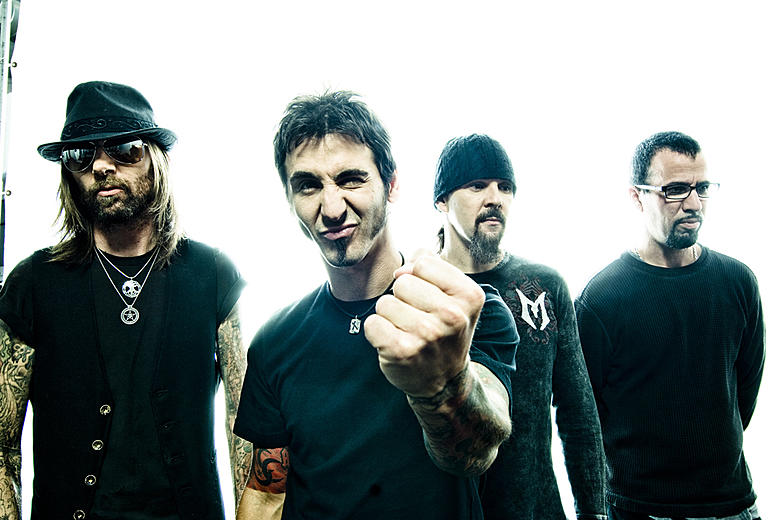
What began as noise, frustration, and raw survival slowly transformed into one of modern rock’s most enduring brotherhoods, and Netflix’s new Godsmack documentary finally pulls the curtain back. From the first frames, it’s clear this isn’t a polished victory lap. It’s a gritty, emotional excavation of how a band born out of instability, broken homes, and relentless self-doubt managed to carve out a global legacy without ever losing its edge.
The film traces Godsmack’s earliest days in Boston, when Sully Erna was juggling personal chaos and a deep hunger to create something honest. Old footage and new reflections collide, showing a musician driven as much by pain as by purpose. The documentary doesn’t romanticize those years—it lets the uncertainty sit uncomfortably, reminding viewers just how fragile the band’s beginnings really were.
As the lineup solidified, so did the tension. Netflix doesn’t shy away from the internal clashes that nearly tore Godsmack apart before they truly began. Ego, exhaustion, and the pressure of early success all surface through candid interviews that feel less like press statements and more like confessions. You can sense how close everything came to collapsing more than once.
What makes the story compelling isn’t just the struggle, but the slow evolution into trust. The documentary shows how the band learned to communicate, compromise, and ultimately rely on one another when the industry around them grew increasingly unforgiving. Brotherhood wasn’t instant—it was built through conflict, mistakes, and hard-earned respect.
The rise to mainstream success is presented as both a triumph and a burden. As albums climbed charts and arenas filled, the personal cost became heavier. Touring took its toll, relationships outside the band frayed, and the pressure to constantly deliver louder, harder, and better performances became relentless. Netflix balances the roar of the crowd with the silence backstage.
Fans will appreciate the deep dive into the music itself. The film explores how Godsmack’s sound evolved without abandoning its core aggression, pulling inspiration from tribal rhythms, metal tradition, and personal catharsis. Songwriting sessions are revisited not as nostalgia, but as moments of emotional survival that shaped the band’s identity.
One of the most powerful elements is how openly the band discusses mental health, addiction, and emotional burnout. These moments feel especially relevant now, reframing Godsmack not just as a heavy rock band, but as artists who endured by confronting their demons instead of burying them. The honesty here is uncomfortable, and that’s exactly why it works.
The documentary also highlights the bond between the band and their fans, portraying live shows as shared release rather than spectacle. Stories from the road reveal how those connections kept Godsmack going when motivation ran thin. The energy wasn’t just coming from the stage—it was being returned tenfold from the crowd.
As the narrative reaches the present, the tone shifts from survival to reflection. The members speak with a calm confidence earned through years of turbulence, acknowledging that longevity was never guaranteed. Brotherhood, they admit, is something you choose every day, especially when walking away might be easier.
By the time the credits roll, the documentary leaves a lasting impression not because it celebrates fame, but because it honors endurance. Netflix’s portrayal of Godsmack is raw, human, and unapologetically real—a story of chaos transformed into unity, and a reminder that sometimes the loudest music is born from the quiet decision to keep going together.
About the Author
