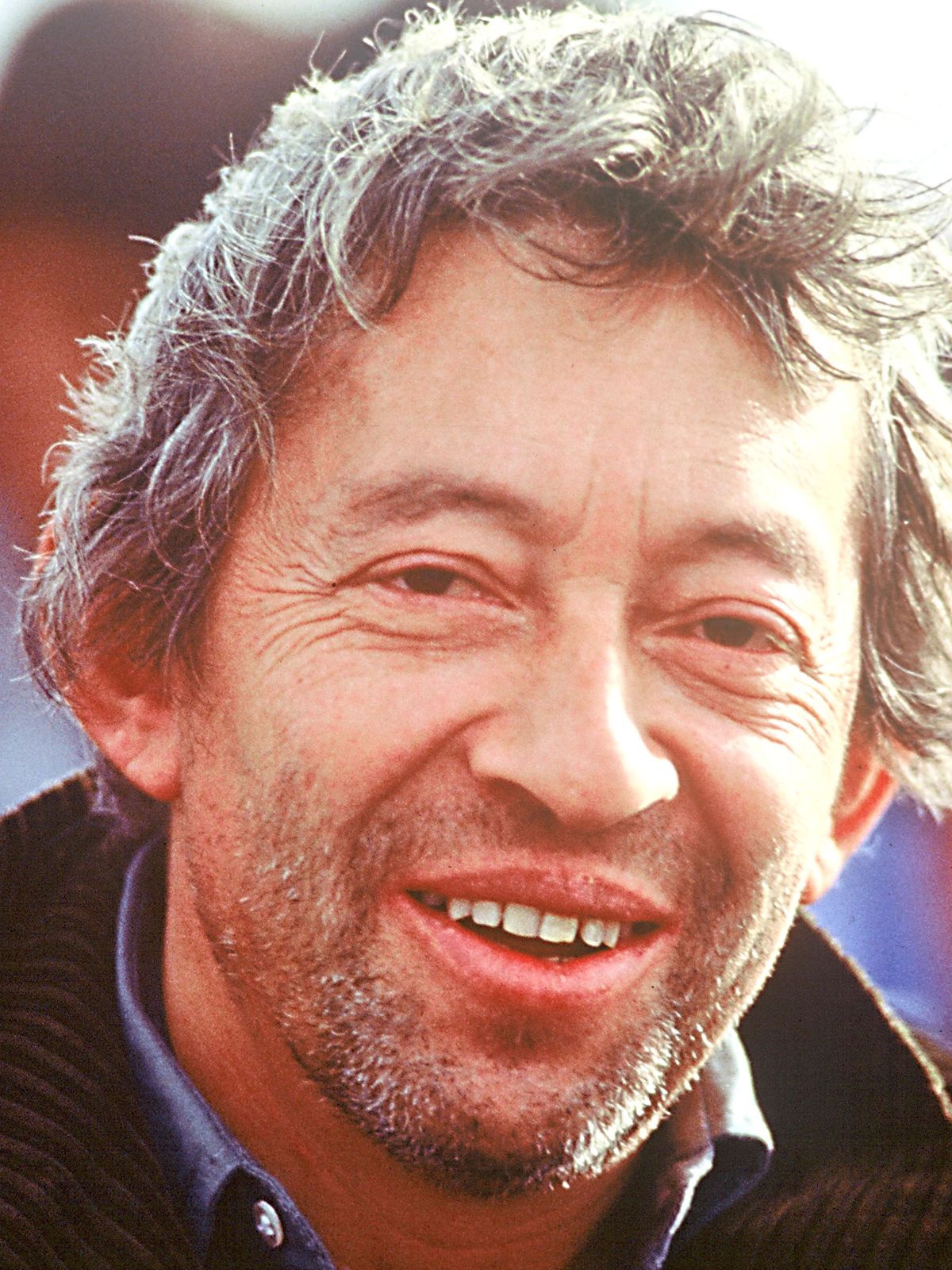
The new Netflix documentary series on Serge Gainsbourg is a daring, sensual, and deeply introspective portrait of one of France’s most provocative cultural icons. Known for his poetic lyricism, scandalous public persona, and fearless experimentation with sound, Gainsbourg’s life was as cinematic as his music. The series peels back the layers of myth and controversy to reveal a complex artist driven by insecurity, genius, and an unrelenting desire to challenge artistic boundaries.
Through rare archival footage and intimate interviews, the documentary traces Gainsbourg’s journey from his early days as Lucien Ginsburg, the son of Russian-Jewish immigrants in Paris, to his transformation into the chain-smoking provocateur who would redefine French pop culture. It explores how he moved effortlessly between jazz, chanson, reggae, and rock, creating timeless works like “Je t’aime… moi non plus” while constantly reinventing himself. The series does not shy away from his contradictions — the shy intellectual behind the sunglasses and the scandal-loving figure who thrived on public outrage.
A major focus of the documentary is Gainsbourg’s relationships, both romantic and artistic, which shaped much of his most celebrated work. His collaborations and romances with icons like Jane Birkin and Brigitte Bardot are examined with nuance, showing how passion and creativity often collided in his life. The series also highlights his role as a mentor and songwriter for other major stars, cementing his influence far beyond his own recordings.
Visually, the documentary mirrors Gainsbourg’s aesthetic — moody, stylish, and slightly dangerous. Directors use smoky club scenes, handwritten lyrics, and dramatic reenactments to immerse viewers in the Parisian art scene of the 1960s and 70s. The soundtrack is, naturally, a star in its own right, reminding audiences why Gainsbourg remains a towering figure in French music decades after his death.
Ultimately, the Netflix series stands as both celebration and critique, portraying Serge Gainsbourg not as a saint or villain but as a flawed, brilliant artist who reshaped European pop culture forever. For longtime fans and new viewers alike, it offers a raw and compelling look at a man who turned provocation into poetry and scandal into art. February 14, 2026.
About the Author
