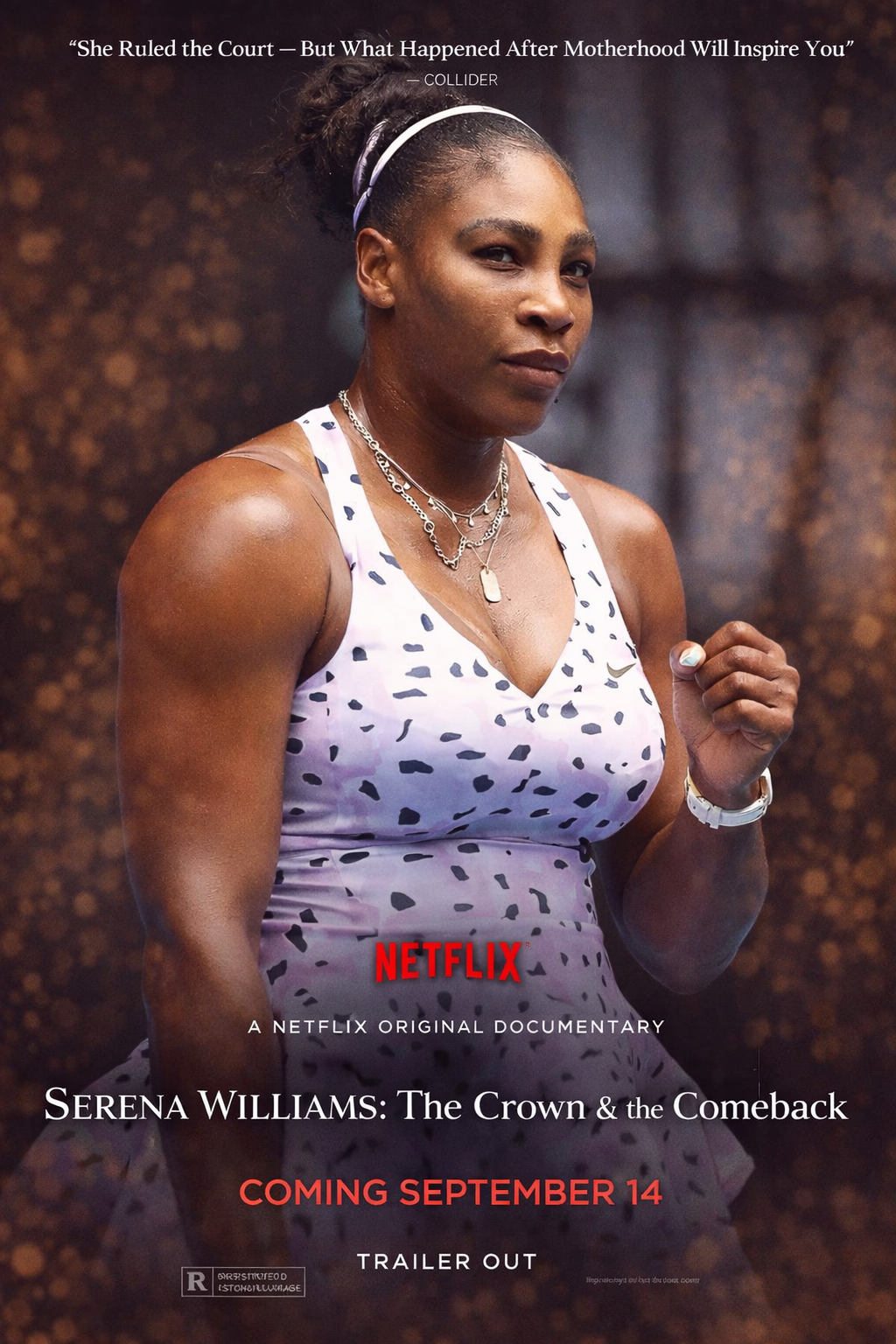
Netflix’s Serena Williams: The Crown & the Comeback opens with the echo of a tennis ball striking the baseline, a sound that defined an era. The documentary immediately establishes Serena not just as a champion, but as a symbol of dominance, resilience, and transformation. Yet beyond the trophies and center-court triumphs, this film chooses to focus on an equally powerful narrative—motherhood and the delicate balance between legacy and family.
The story traces Serena’s journey from prodigy to global icon, but it pivots meaningfully when it explores the life-changing moment she became a mother. The crown she wore as a champion did not disappear; it evolved. The film presents motherhood not as a pause in her career, but as a profound shift in perspective that redefined what winning truly meant.
Through intimate interviews, Serena reflects on the vulnerability of stepping away from competition to embrace a new role. She speaks candidly about the physical and emotional challenges of childbirth and recovery, describing it as one of the toughest matches she has ever faced. The comeback was not just about returning to tennis—it was about reclaiming confidence in a body and identity forever changed.
Home footage and behind-the-scenes clips show a softer side rarely seen in post-match interviews. Viewers watch her reading bedtime stories, sharing laughter, and cherishing quiet family moments. These scenes contrast beautifully with the roaring stadiums, emphasizing that the greatest strength sometimes reveals itself in tenderness.
The documentary also explores the pressure of expectations. As one of the greatest athletes of all time, Serena carried the weight of public scrutiny into her comeback. Critics questioned whether she could return to peak form after motherhood. The film addresses these doubts head-on, portraying her determination not as defiance, but as devotion—to her sport, and to showing her child what perseverance looks like.
Family plays a central role in the narrative. Serena speaks about the influence of her own parents and how those lessons shaped the mother she strives to be. The film draws a poignant parallel between the guidance she once received and the guidance she now gives, reinforcing the theme of generational strength.
Visually, The Crown & the Comeback is dynamic and emotionally layered. Slow-motion rally sequences blend with warm, intimate household scenes. The soundtrack alternates between adrenaline-fueled beats and gentle piano compositions, mirroring the duality of her life—warrior on the court, nurturer at home.
On September 14, 2026, Netflix officially premiered Serena Williams: The Crown & the Comeback, sparking global conversations about ambition, sacrifice, and redefining success. The release resonated far beyond sports fans, touching parents, dreamers, and anyone who has ever fought to balance passion with responsibility.
Critics praised the film for its authenticity and depth. Rather than framing motherhood as an obstacle, it presents it as a catalyst for growth. Serena’s comeback becomes symbolic of a larger truth—that strength is not diminished by love; it is amplified by it.
By the final scenes, as Serena walks hand in hand with her daughter across an empty court at dusk, the message becomes clear. The crown represents excellence, but the comeback represents courage. Serena Williams: The Crown & the Comeback is not just a story about returning to tennis—it is a testament to evolving identity, enduring love, and the powerful realization that sometimes the greatest victories happen off the court.
About the Author
