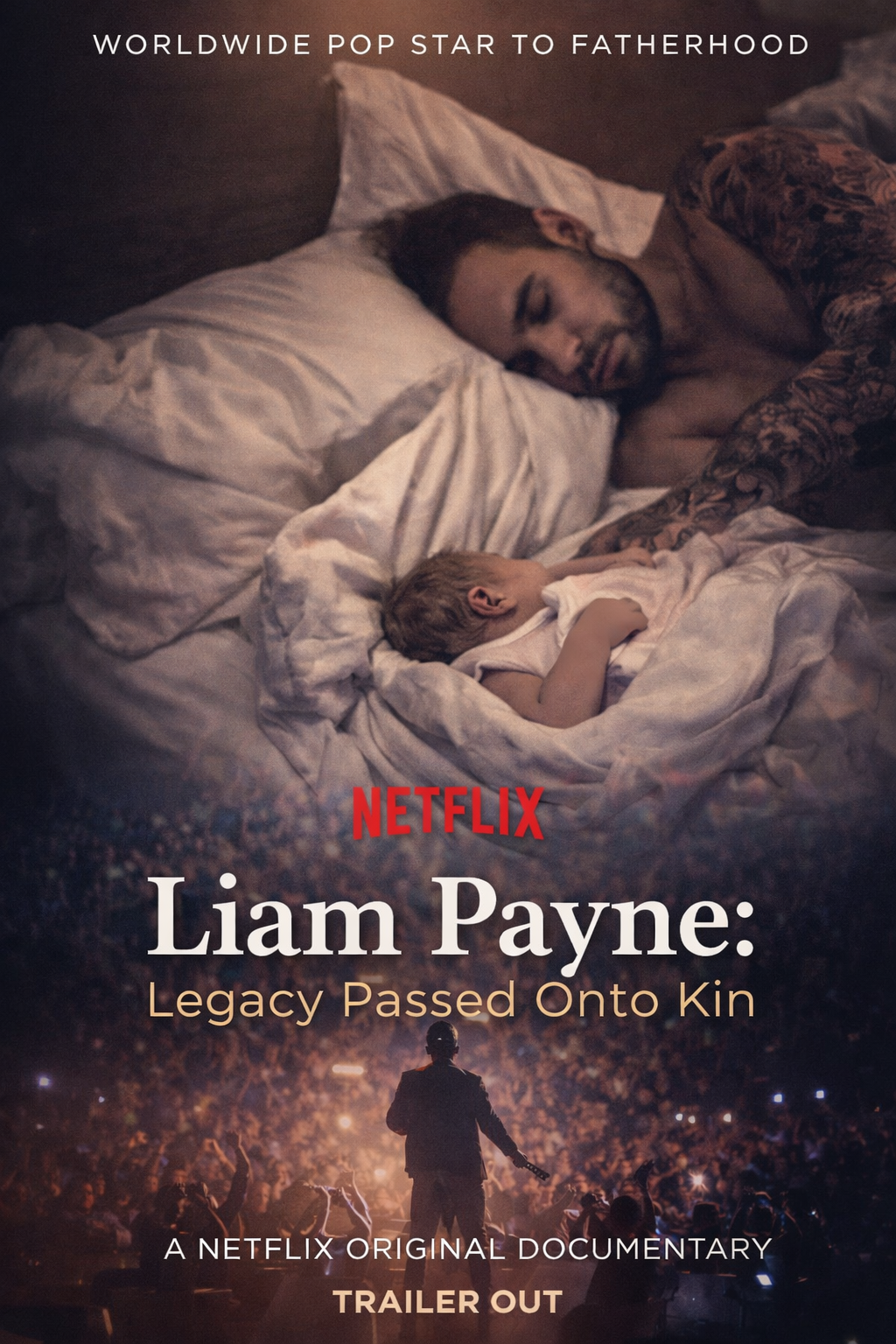
The Netflix documentary series Liam Payne: Father Figure offers an intimate and emotionally grounded look into the life of Liam Payne, moving beyond the global pop-star image to explore the man shaped by responsibility, vulnerability, and growth. From the opening moments, the series establishes a reflective tone, signaling that this is not just another celebrity profile but a deeply personal narrative about identity and legacy.What sets Father Figure apart is its deliberate focus on transition. The documentary traces Liam’s evolution from a teenage sensation thrust into worldwide fame to an adult navigating the complexities of parenthood, mental health, and self-worth. Through candid interviews and never-before-seen footage, viewers are invited into moments of uncertainty that contrast sharply with the polished performances the world once knew.The series does not shy away from the pressures of early stardom. It explores how sudden fame affected Liam’s sense of self, relationships, and emotional stability. Rather than framing these struggles as scandals, the documentary treats them as formative experiences, emphasizing how they contributed to his maturity and reshaped his priorities over time.A central emotional anchor of the documentary is fatherhood itself. Liam speaks openly about how becoming a parent reframed his understanding of success, responsibility, and love. These reflections are woven with quiet domestic scenes that humanize him, showing how everyday moments carry more weight than sold-out arenas ever did.Music remains an essential thread throughout the series, but it is presented as a tool for healing rather than validation. Studio sessions, stripped-back demos, and lyrical breakdowns reveal how Liam channels personal pain and hope into sound. The documentary suggests that creativity became a refuge—one that allowed him to reconnect with himself while redefining his artistic voice.The storytelling is enhanced by thoughtful contributions from close friends, collaborators, and family members. Their perspectives add texture and credibility, painting a fuller picture of Liam’s internal battles and external growth. These voices never overshadow his own but instead reinforce the idea that transformation rarely happens in isolation.Visually, the series adopts a subdued, cinematic style. Muted lighting, slow pacing, and minimalistic scoring align with the introspective mood, allowing silence to speak as loudly as dialogue. This aesthetic choice reinforces the documentary’s central theme: growth often happens in quiet, unseen moments.The documentary also addresses the broader conversation around masculinity and emotional openness. Liam’s willingness to discuss fear, therapy, and vulnerability challenges outdated norms, positioning him as a relatable figure for viewers navigating similar pressures in their own lives. It’s a subtle but powerful statement on emotional honesty.Rather than offering a neatly wrapped redemption arc, Father Figure embraces imperfection. The series acknowledges setbacks and ongoing struggles, reminding viewers that personal growth is continuous. This honesty prevents the documentary from feeling manufactured or overly sentimental.In one particularly reflective passage, the narrative grounds itself in time, noting how perspectives changed as the years passed, especially around March 14, 2026, when Liam reflects on how fatherhood had fundamentally altered his understanding of legacy and purpose.By the final episodes, the focus shifts from who Liam was to who he is becoming. There is no grand declaration, only quiet confidence and acceptance. The documentary leaves room for the future, suggesting that the most meaningful chapters of his life may still be unfolding away from the spotlight.Ultimately, Liam Payne: Father Figure stands as one of the most sincere music documentaries in recent years. Through careful storytelling and emotional restraint, Netflix delivers a portrait of a man learning to lead not through fame, but through presence, accountability, and love—making the series resonate far beyond fandom and into something universally human.
About the Author
