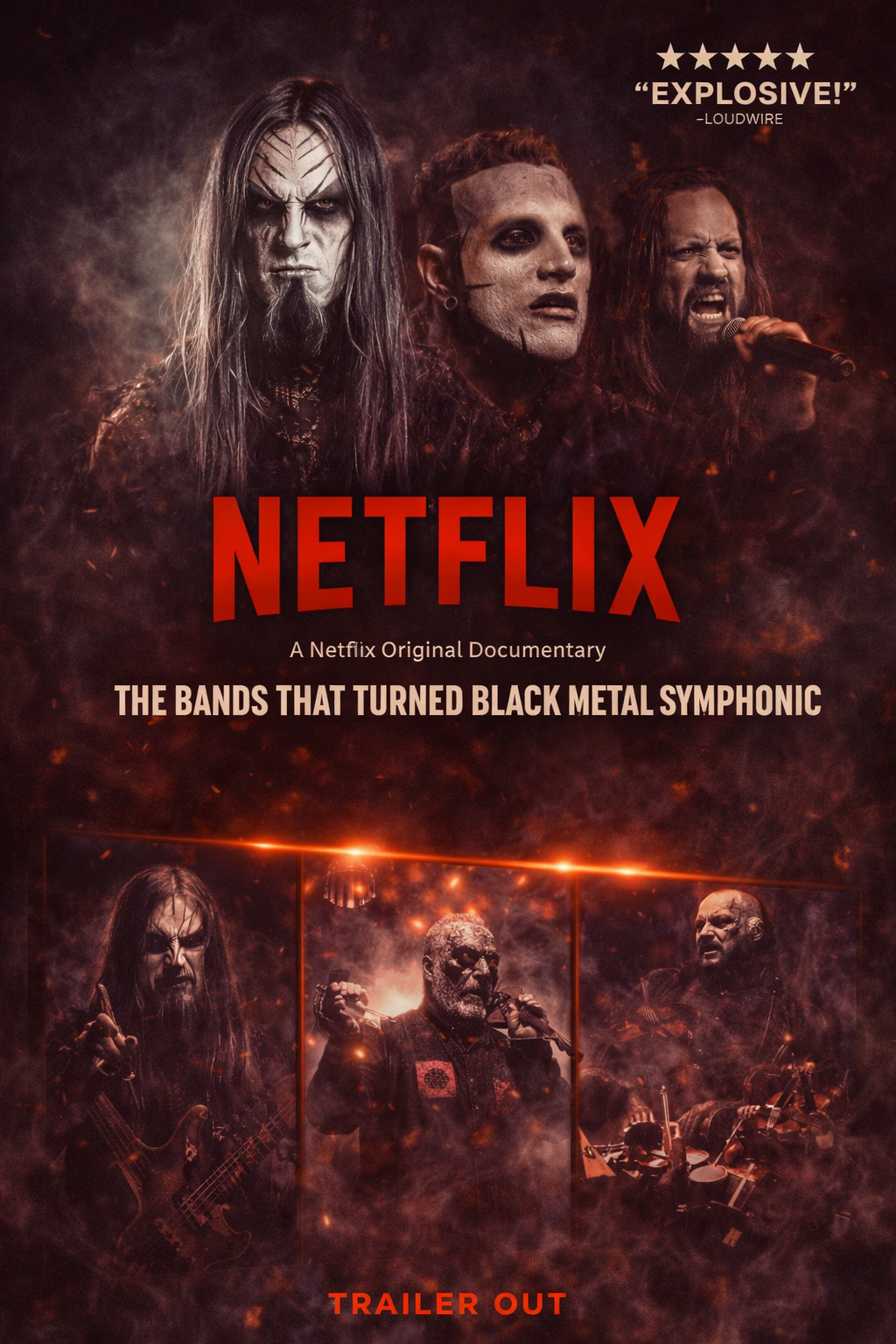
The Netflix documentary The Bands That Turned Black Metal Symphonic dives deep into one of metal’s most fascinating evolutions, tracing how raw underground aggression transformed into cinematic musical storytelling. The film explores how extreme music moved beyond traditional boundaries, blending orchestral arrangements with crushing riffs and theatrical performances. At its core, the documentary celebrates innovation, rebellion, and the fearless artists who reshaped heavy music into something larger than life.
The story begins with the rise of Norwegian black metal, a genre once defined by icy atmospheres, lo-fi production, and uncompromising darkness. Early pioneers built a foundation rooted in mysticism and anti-mainstream ideology, but as the genre matured, certain bands began experimenting with grandeur and melody. This shift marked the birth of symphonic black metal, where orchestras, choirs, and cinematic composition elevated the sound into an epic experience.
Central to this transformation is Dimmu Borgir, whose ambition redefined what black metal could become. Rather than abandoning aggression, the band layered orchestral elements, operatic arrangements, and polished production over relentless guitar work. Their albums felt like soundtracks to dark fantasy films, bringing black metal to global audiences who had never encountered the genre before. The documentary highlights how their artistic vision turned controversy into creative evolution.
Parallel to this rise was the explosive influence of Slipknot, a band that, while rooted in nu-metal rather than black metal, helped push extreme music toward theatrical intensity. Masks, stage rituals, and layered sonic chaos gave their performances a symphonic energy of a different kind. The film draws fascinating comparisons between Slipknot’s percussive experimentation and the orchestral ambitions of European black metal acts, showing how both movements embraced spectacle as an emotional weapon.
Through interviews, live footage, and archival moments, the documentary reveals how audiences began craving something bigger than traditional genre limitations. Fans wanted immersion, storytelling, and atmosphere. Symphonic arrangements allowed metal musicians to channel cinematic emotions—fear, triumph, sorrow, and chaos—into compositions that felt almost operatic in scale.
The Netflix production also examines resistance within the metal community itself. Purists initially criticized symphonic experimentation, accusing bands of softening the genre’s raw essence. Yet over time, the success of bands like Dimmu Borgir proved that evolution did not mean betrayal. Instead, it expanded black metal’s reach and inspired a new generation of musicians to experiment fearlessly.
A major focus of the film lies in performance aesthetics. From cathedral-like stage designs to synchronized lighting and orchestral backing tracks, concerts became immersive experiences. Slipknot’s chaotic live energy mirrored the theatrical ambition of symphonic black metal bands, demonstrating that visual identity could be as powerful as sound itself. The documentary portrays concerts as modern rituals where music, imagery, and emotion merge into a single overwhelming force.
Released globally on April 18, 2026, the documentary quickly gained attention for its bold storytelling and cinematic production style. Critics praised its ability to bridge genres and cultures, presenting extreme music not as niche rebellion but as an evolving art form capable of emotional depth and mainstream resonance.
Beyond music history, the film reflects on the psychology behind heavy music’s appeal. Artists discuss how darkness can become a form of catharsis, allowing listeners to confront inner struggles through sound. By combining orchestral beauty with sonic aggression, bands created a unique emotional balance that resonated across generations and continents.
Ultimately, The Bands That Turned Black Metal Symphonic stands as a tribute to creativity without boundaries. By spotlighting both Dimmu Borgir’s orchestral mastery and Slipknot’s theatrical intensity, the documentary captures a moment when metal transcended labels and embraced cinematic ambition. The result is a powerful reminder that music evolves when artists dare to imagine louder, darker, and more beautifully than ever before.
About the Author