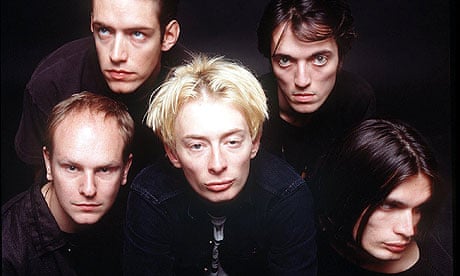
Radiohead have never been a band that explains themselves. From the moment they escaped the gravitational pull of Creep and dismantled their own success, they chose ambiguity over answers, discomfort over familiarity, and shadows over spotlights. What follows is not a neat exposé, but a guided descent into the quiet, unsettling truths that have defined one of rock’s most elusive forces.Radiohead’s first real secret is that they fear comfort more than failure. After OK Computer crowned them prophets of the digital age, they could have repeated the formula endlessly. Instead, they detonated it. Kid A wasn’t just a stylistic pivot—it was an act of self-sabotage disguised as evolution. Guitars were buried, vocals fragmented, melodies dissolved. The band intentionally erased the version of themselves the world loved. This wasn’t arrogance. It was survival. Radiohead understood that staying still would kill them faster than confusing their audience ever could.Another truth hides in Thom Yorke’s voice. For decades, listeners have treated his lyrics as riddles to be solved—political manifestos, personal confessions, dystopian warnings. The reality is more unsettling: Yorke often writes to obscure meaning, not reveal it. Cut-up phrases, fractured lines, emotional impressions without narrative resolution. The songs feel intimate because they sound confessional, but they rarely give you the full story. Radiohead don’t want to be understood; they want you to feel lost in the same fog they inhabit.Then there’s the myth of the tortured genius band barely holding together. Internally, Radiohead are far less chaotic than their music suggests. The real tension isn’t explosive—it’s slow-burning. Decisions are debated endlessly. Songs gestate for years, sometimes decades. Tracks like “True Love Waits” weren’t delayed because they were unfinished, but because the band refused to release them until the emotional context felt right. Radiohead don’t chase moments; they wait for them to rot, transform, and come back changed.Their silence is another carefully guarded secret. Radiohead avoid press cycles not because they dislike attention, but because they understand how it distorts meaning. Interviews freeze art in time. Statements become weapons. By withholding explanations, they allow their music to evolve independently of intent. This is why a Radiohead album released 20 years ago can feel more relevant today than it did at launch. They never anchored their work to a single moment.Even their relationship with technology is misunderstood. Radiohead aren’t anti-tech prophets shaking fists at progress. They are observers, unnerved by how quickly humanity adapts to systems it doesn’t control. Albums like Hail to the Thief and A Moon Shaped Pool aren’t warnings—they’re autopsies. The damage has already happened. The paranoia, the isolation, the emotional static of modern life isn’t coming. It’s here, humming quietly in the background.Perhaps the darkest secret is this: Radiohead don’t believe music saves anyone. There is no cathartic release in their world, no heroic resolution. Their songs sit with anxiety instead of curing it. They acknowledge despair without offering escape. And yet, paradoxically, this honesty is why listeners cling to them. In refusing to heal us, Radiohead make us feel less alone in being broken.Radiohead remain enigmatic not because they hide facts, but because they reject certainty. They blur identities, fracture narratives, and refuse to become monuments to their own legacy. Every album feels like it might be the last. Every reinvention sounds like a quiet goodbye.And that may be the final secret they never wanted you to know: Radiohead exist in a permanent state of disappearance—always dissolving, never settling, forever stepping into the shadows just as the light finds them
About the Author
