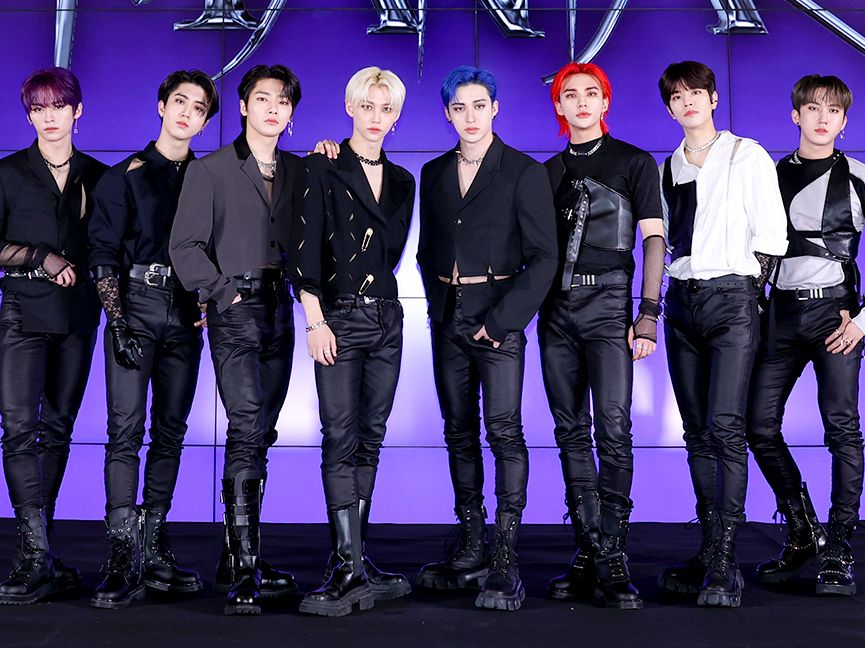
The line between K-pop stardom and K-drama storytelling is about to shatter, and at the center of the explosion stands Stray Kids. Netflix is reportedly preparing one of its boldest Korean originals yet—a high-concept K-drama crossover that fuses the raw energy of Stray Kids with a cinematic narrative built for global domination. If it lands the way insiders are hinting, this won’t just be another idol drama. It could redefine how music groups exist inside scripted television.Stray Kids are not strangers to storytelling. Their music is built on alter egos, fractured identities, rebellion, and survival—concepts that already feel tailor-made for serialized drama. From the chaos-driven universe of “MIROH” to the psychological intensity of “MANIAC,” the group has spent years constructing a mythology that fans dissect like episodes of a long-running series. Netflix stepping in feels less like a collaboration and more like the natural next chapter.The rumored drama is said to blur fiction and reality, positioning Stray Kids not simply as idols playing characters, but as amplified versions of themselves—artists navigating fame, pressure, betrayal, and power inside an industry that both worships and consumes them. This isn’t expected to follow the lighthearted “idol-next-door” formula. Instead, sources suggest a darker, genre-bending tone, mixing psychological thriller, dystopian drama, and music-driven spectacle. Think neon-lit Seoul nights, underground stages, corporate conspiracies, and a constant tension between creation and control.Netflix’s involvement changes everything. With its global reach, the series wouldn’t be designed only for domestic audiences. This is K-drama built for a worldwide fanbase that already lives online, decoding lore, streaming content at midnight drops, and turning every frame into discourse. The platform has already proven its power in exporting Korean stories across cultures; pairing that machine with one of the most internationally dominant K-pop groups of the generation feels like a calculated cultural strike.What makes this crossover truly dangerous—in the best way—is Stray Kids’ creative autonomy. Unlike many idol projects, the group is known for hands-on involvement in songwriting, concept building, and thematic direction. If they’re granted narrative influence, the drama could become an extension of their music rather than a promotional side quest. Episodes could mirror album arcs. Soundtracks could double as canonical plot devices. Performances might not interrupt the story but drive it forward.For Korean television, this signals a shift. Idol dramas have existed for decades, but they’ve often been dismissed as shallow or fan-service-driven. A Stray Kids x Netflix production has the potential to break that stigma by delivering prestige-level storytelling without sacrificing pop energy. If successful, it may open the floodgates for more artist-led narratives where musicians aren’t just cast members, but world-builders.For fans—STAYs and beyond—this is more than a show. It’s a moment where music, identity, and drama collide on a scale rarely attempted. The parasocial line blurs. The myth becomes visual. And Stray Kids step into a new arena, not as guests, but as forces reshaping the medium itself.Nothing is officially confirmed yet, but the noise is growing louder. And if history has taught us anything, when Stray Kids move, the industry doesn’t just watch—it adjusts. This isn’t just an idol invasion. It’s a cultural rewrite in the making.
About the Author