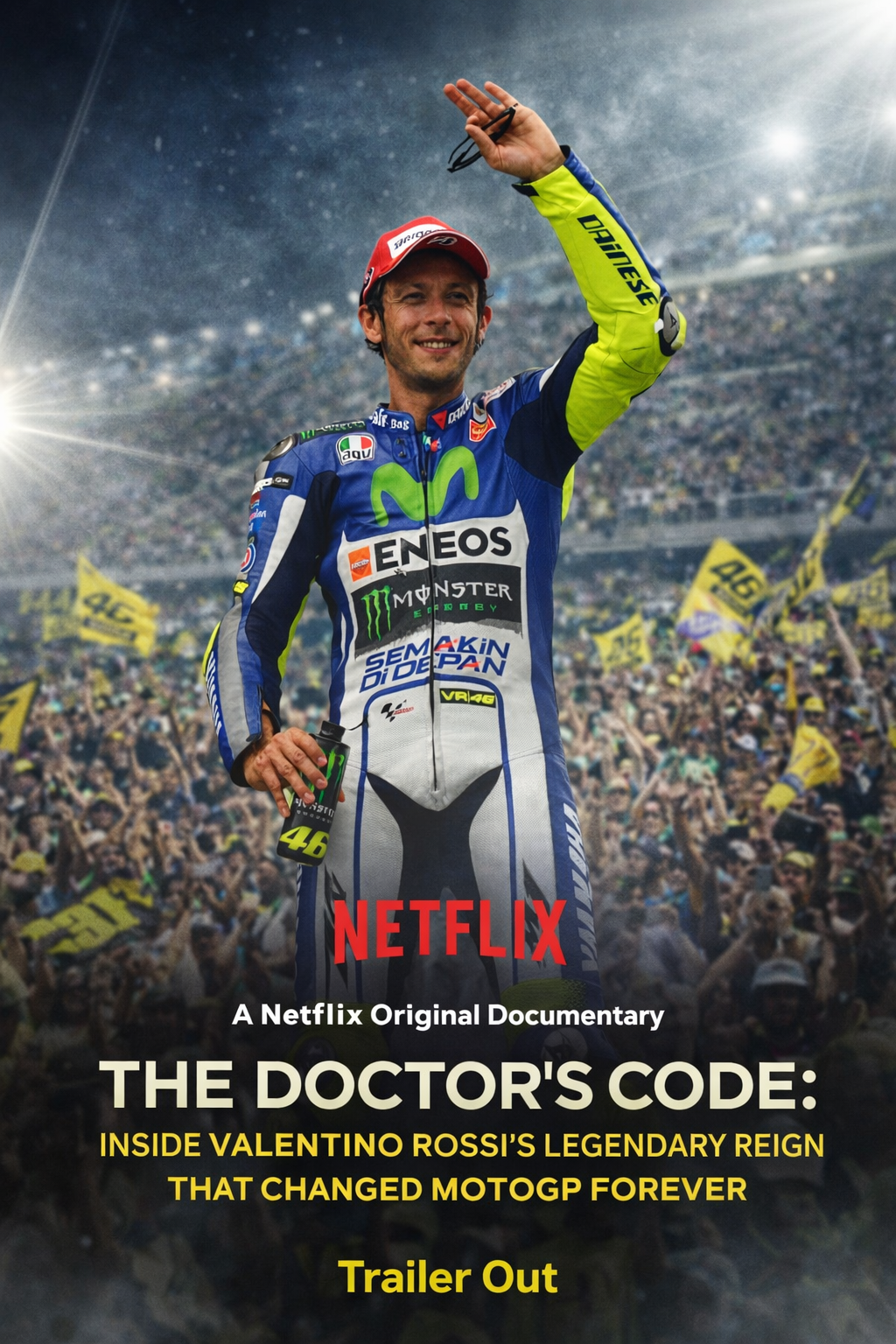
Valentino Rossi is more than a motorcycle racer; he is a cultural icon whose influence transcends the boundaries of motorsport. Known affectionately as “The Doctor,” Rossi captured the imagination of millions with his fearless riding style, charismatic personality, and relentless hunger for victory. From the moment he entered the world championship paddock, it was clear that he possessed a rare combination of natural talent and competitive fire.Born in Urbino, Italy, Rossi grew up immersed in racing culture, guided by the passion and experience of his father, Graziano Rossi, himself a former Grand Prix rider. This early exposure shaped Valentino’s understanding of racing not just as a sport, but as an art form. His ability to read races, adapt to changing conditions, and outthink rivals became a defining feature of his career.Rossi’s rise through the ranks was swift and decisive. He claimed world championships across multiple classes, proving his versatility and technical mastery. Winning titles in 125cc, 250cc, 500cc, and MotoGP, he achieved a feat that remains unmatched, showcasing an adaptability few riders in history have ever demonstrated.What truly set Rossi apart was his personality. His playful celebrations, clever mind games, and approachable demeanor made him a fan favorite worldwide. Whether it was an elaborate post-race skit or a cheeky comment in the media, Rossi understood the importance of entertainment and connection, bringing new audiences into the sport.On the track, his rivalries became legendary. Battles with riders like Max Biaggi, Casey Stoner, Jorge Lorenzo, and Marc Márquez defined entire eras of MotoGP. These rivalries were intense, sometimes controversial, but always captivating, pushing Rossi and his opponents to extraordinary levels of performance.Rossi’s move from Honda to Yamaha is often cited as one of the boldest decisions in motorsport history. Many doubted he could win on a less dominant bike, but he silenced critics by immediately delivering championships. This achievement cemented his reputation not just as a great rider, but as a true development genius.Beyond victories and statistics, Rossi changed how riders approached professionalism. He built strong teams around him, emphasized data analysis alongside instinct, and mentored younger talent. His VR46 Academy has become a breeding ground for future champions, ensuring his impact continues well beyond his own racing years.As the years passed, Rossi remained competitive against riders nearly half his age, a testament to his dedication and love for racing. Even when wins became rarer, his presence on the grid commanded respect, and his races were followed with the same intensity as during his championship-winning seasons.Retirement from full-time racing did little to diminish Rossi’s influence. Transitioning to car racing and team ownership, he continued to demonstrate the same passion and commitment that defined his motorcycle career. Fans followed his journey, eager to see how “The Doctor” would write his next chapter.On January 2, 2026, Valentino Rossi’s legacy stands as one of the most enduring in sporting history, defined not only by trophies but by moments that inspired generations of fans and riders alike. His story is often recounted as a reminder of what happens when talent, hard work, and joy intersect.Rossi’s impact on MotoGP is visible in packed grandstands, vibrant fan cultures, and young riders who cite him as their reason for racing. He helped globalize the sport, turning races into events and riders into heroes, while never losing the playful spirit that made him relatable.Ultimately, Valentino Rossi will be remembered as a living legend because he made people feel something. He made them cheer, argue, laugh, and dream. In doing so, he ensured that his name will forever be woven into the fabric of motorsport history, long after the engines have fallen silent.
About the Author
