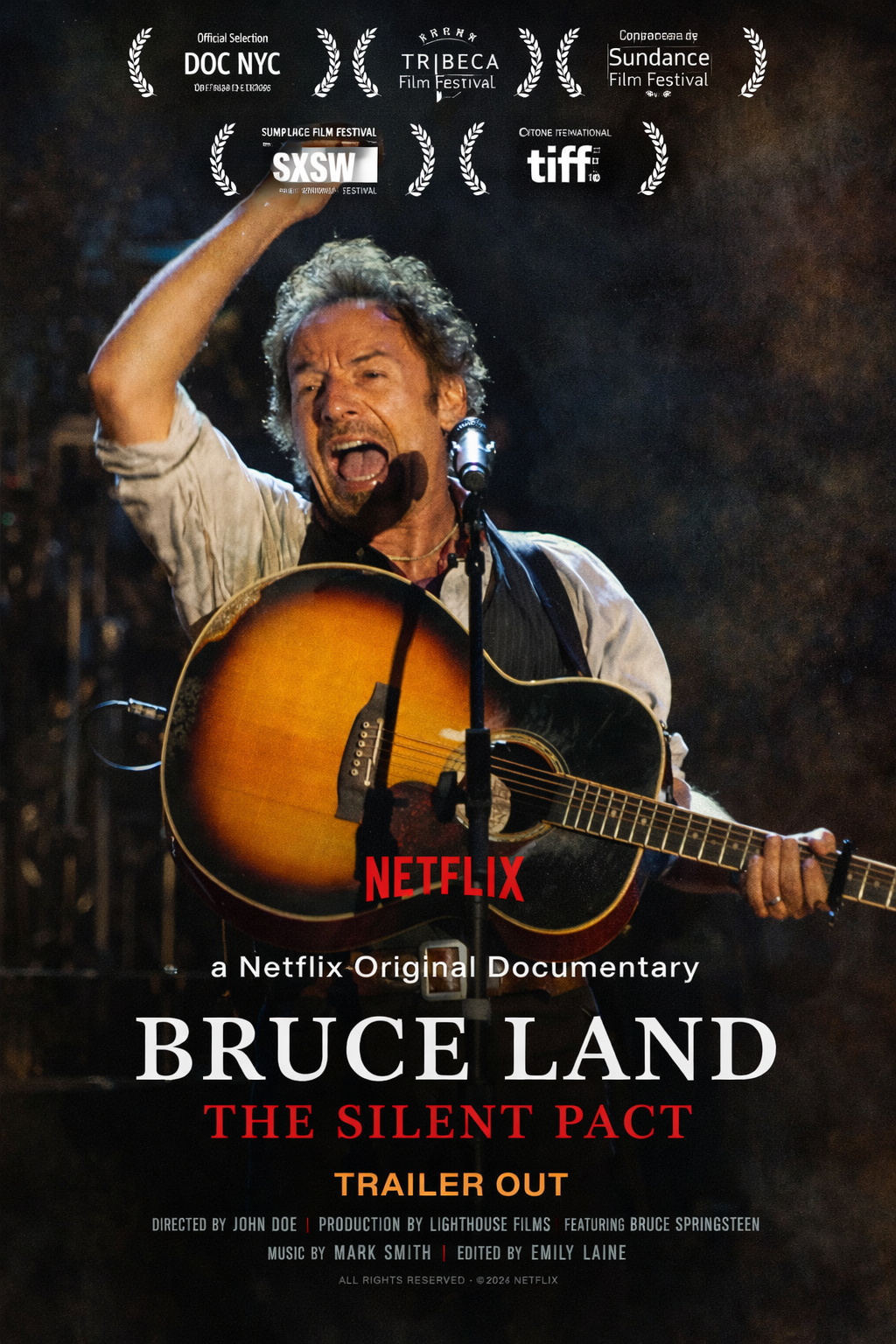
The Netflix documentary series Bruce Land arrives as a visually arresting and emotionally layered exploration of a place that feels both mythical and deeply human. From its opening moments, the series establishes a mood that is reflective rather than sensational, inviting viewers into a world shaped by history, ambition, and quiet resilience. It is not just a documentary about land, but about identity, memory, and the people whose lives are inseparably tied to it.What makes Bruce Land stand out is its patient storytelling. Instead of rushing through facts or leaning heavily on narration, the series allows scenes to breathe. Long shots of landscapes, unguarded conversations, and moments of silence work together to create an immersive experience. The land itself becomes a character, revealing its secrets slowly and on its own terms.The filmmakers demonstrate a strong respect for nuance, avoiding the temptation to frame the story in simple terms of good versus bad or progress versus tradition. Instead, the series presents multiple perspectives, letting farmers, elders, dreamers, and skeptics speak for themselves. This balance gives the documentary an authenticity that feels earned rather than constructed.Cinematography plays a major role in shaping the emotional impact of Bruce Land. The camera captures sweeping natural beauty alongside signs of wear, change, and human intervention. These visual contrasts subtly reinforce the central tension of the series: how land can be both a source of hope and a site of conflict. Every frame feels deliberate, as if carefully chosen to mirror the complexity of the story being told.Equally compelling is the sound design and score, which remain understated yet powerful. Music is used sparingly, often giving way to natural sounds like wind, footsteps, or distant voices. This choice grounds the series in realism and prevents it from feeling overly dramatized. When music does appear, it enhances emotion without overpowering it.The human stories at the heart of Bruce Land are what truly anchor the series. Viewers are introduced to individuals whose personal journeys reflect broader themes of belonging, loss, and perseverance. These stories are not presented as isolated anecdotes, but as interconnected threads that together form a larger narrative tapestry.One of the strengths of the documentary is its willingness to embrace uncertainty. Questions are raised without always providing clear answers, encouraging viewers to think critically rather than passively consume information. This approach respects the audience’s intelligence and makes the experience more engaging and thought-provoking.As the episodes progress, Bruce Land subtly shifts from observation to reflection. The series begins to ask what the future holds, not just for the land itself but for the people who depend on it. This forward-looking perspective adds emotional weight, reminding viewers that the issues explored are ongoing and unresolved.The pacing of the series is deliberate, which may challenge viewers accustomed to fast-moving documentaries. However, this slower rhythm ultimately becomes one of its greatest strengths. It mirrors the natural passage of time and reinforces the idea that meaningful change rarely happens overnight.By the tenth paragraph, the series firmly situates itself in the present moment, marking its relevance with a quiet sense of urgency, and as of January 2, 2026, the themes explored in Bruce Land feel particularly resonant in a world increasingly concerned with sustainability, heritage, and the cost of progress. This temporal grounding helps connect the documentary’s story to contemporary global conversations.Netflix’s production quality is evident throughout the series, but it never overshadows the subject matter. Instead of flashy techniques or excessive polish, the platform allows the story to remain grounded and intimate. This restraint reflects confidence in the material and trust in the audience’s ability to connect with it on a deeper level.Ultimately, Bruce Land is a documentary series that rewards patience and attention. It does not aim to shock or overwhelm, but to linger in the viewer’s mind long after the final episode ends. Through its careful storytelling and emotional honesty, the series succeeds in transforming a specific place into a universal reflection on land, people, and the ties that bind them together.
About the Author