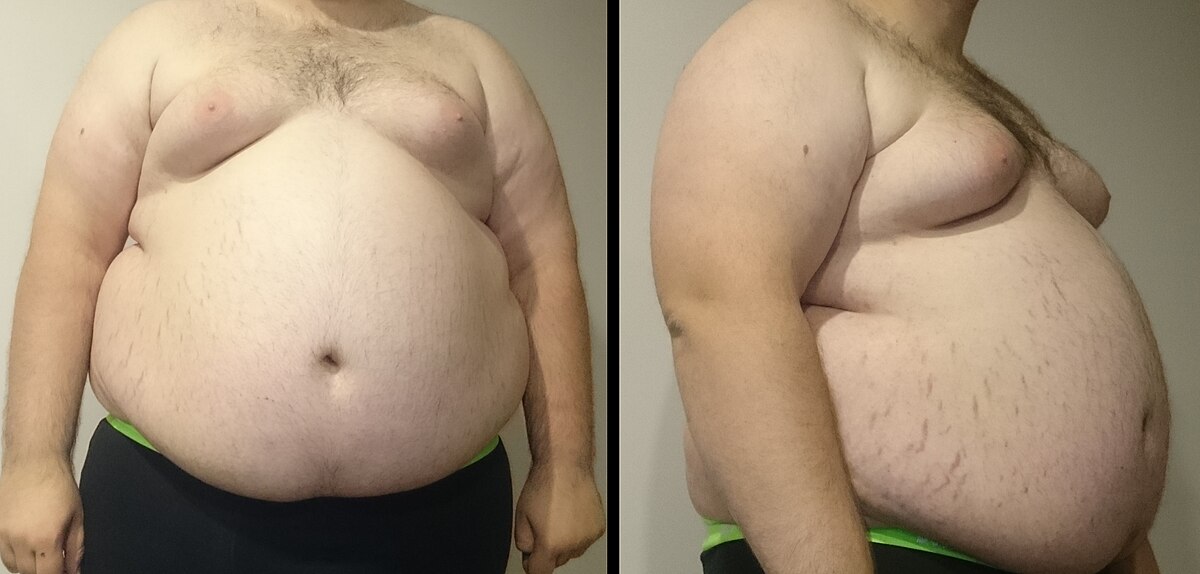
Are you looking to shed that stubborn belly fat? Whether you want to improve your appearance, enhance your health, or simply feel more confident in your body, burning stomach fat is a common fitness goal for many. In this comprehensive guide, we’ll dive deep into how to burn stomach fat effectively, focusing on science-backed strategies that help you achieve long-term success.
Understanding Stomach Fat: What It Is and Why It Matters
Before embarking on a journey to burn stomach fat, it’s essential to understand what it is and how it impacts your health. Stomach fat, often referred to as visceral fat, lies deep within the abdominal cavity. This type of fat surrounds internal organs like the liver, pancreas, and intestines, making it more dangerous than subcutaneous fat, which is found just under the skin.
See Also: The Legendary Life and Legacy of Jim Morrison: A Biography
Types of Stomach Fat
- Visceral Fat: This fat surrounds vital organs and is linked to increased risks of heart disease, type 2 diabetes, and metabolic syndrome.
- Subcutaneous Fat: This is the fat that lies just under your skin and is more visible, contributing to that “flabby” belly appearance.
Why Burning Belly Fat is Important
Excess stomach fat, especially visceral fat, is associated with numerous health problems, including:
- Increased risk of heart disease
- Elevated blood pressure
- Insulin resistance and diabetes
- Fatty liver disease
- High cholesterol
Burning stomach fat not only improves your physical appearance but also enhances overall health and well-being. Now, let’s take a look at how you can effectively burn stomach fat with a combination of lifestyle changes, nutrition, and exercise.
How to Burn Stomach Fat: 10 Proven Strategies
1. Adopt a Calorie Deficit Diet
One of the most critical aspects of burning stomach fat is creating a calorie deficit. A calorie deficit occurs when you consume fewer calories than your body needs to maintain its current weight, prompting it to use stored fat for energy.
How to Create a Calorie Deficit:
- Track Your Calories: Use a calorie-tracking app to monitor your daily intake.
- Eat Smaller, More Frequent Meals: Opt for balanced, nutrient-dense meals throughout the day.
- Reduce High-Calorie Foods: Cut down on foods high in sugar, unhealthy fats, and refined carbs.
2. Prioritize Protein-Rich Foods
Increasing your protein intake can significantly help in burning stomach fat. Protein boosts your metabolism, reduces appetite, and helps preserve muscle mass during weight loss. Studies show that a higher protein diet can reduce belly fat and promote fat loss.
Protein-Rich Foods to Include:
- Lean meats (chicken, turkey, lean beef)
- Fish and seafood
- Eggs
- Greek yogurt
- Legumes and beans
- Tofu and tempeh
3. Incorporate Strength Training Into Your Routine
Strength training is a powerful tool for burning fat, including belly fat. By building lean muscle mass, you increase your metabolism, which helps you burn more calories even at rest.
See Also: The Legendary Life and Legacy of Jim Morrison: A Biography
Effective Strength Training Exercises:
- Squats: Target the lower body and core.
- Deadlifts: Work multiple muscle groups.
- Push-ups: Engage the chest, shoulders, and arms.
- Planks: Strengthen the core muscles.
- Lunges: Build strength in the legs and glutes.
Aim for at least two to three strength training sessions per week, focusing on compound movements that engage multiple muscle groups.
4. Engage in Cardiovascular Exercise
Cardio exercises, such as running, cycling, swimming, and brisk walking, are excellent for burning calories and reducing stomach fat. While cardio alone may not target belly fat specifically, combining it with strength training and a healthy diet can help you achieve significant fat loss.
Types of Cardiovascular Exercise:
- High-Intensity Interval Training (HIIT): Short bursts of intense exercise followed by brief rest periods.
- Moderate-Intensity Steady-State (MISS): Longer sessions of steady activity, such as jogging or cycling.
Aim for at least 150 minutes of moderate-intensity cardio per week, or 75 minutes of vigorous-intensity cardio.
5. Reduce Sugar and Refined Carbohydrates
One of the most effective ways to burn stomach fat is to eliminate or significantly reduce your intake of added sugars and refined carbs. These foods are quickly converted into glucose in the body, leading to insulin spikes and fat storage, especially around the abdomen.
Foods to Avoid:
- Sugary snacks and beverages (soda, candy, baked goods)
- White bread and pasta
- Processed cereals
- Junk food and fast food
Instead, opt for whole grains, vegetables, and fruits that are high in fiber and low in added sugars.
6. Stay Hydrated
Drinking enough water is crucial for weight loss and burning stomach fat. Staying hydrated helps control hunger, reduces bloating, and supports the body’s fat-burning processes. Sometimes, thirst can be mistaken for hunger, leading to overeating.
Hydration Tips:
- Drink at least 8 glasses (2 liters) of water per day.
- Drink water before meals to curb appetite.
- Avoid sugary drinks and alcohol, which can contribute to belly fat.
7. Get Enough Sleep
Lack of sleep can hinder your weight loss efforts, as it can lead to an increase in hunger hormones like ghrelin, making you more likely to overeat. Inadequate sleep also reduces your body’s ability to burn fat effectively, particularly around the abdominal area.
Sleep Tips for Fat Loss:
- Aim for 7-9 hours of quality sleep each night.
- Maintain a consistent sleep schedule.
- Create a calming bedtime routine to improve sleep quality.
8. Manage Stress Levels
Chronic stress triggers the release of cortisol, a hormone that can lead to increased belly fat. High cortisol levels encourage fat storage, especially in the abdominal region. Therefore, managing stress is a crucial part of reducing stomach fat.
Stress-Reducing Activities:
- Practice mindfulness and meditation.
- Engage in deep breathing exercises.
- Take regular breaks throughout the day.
- Incorporate yoga or stretching into your routine.
9. Limit Alcohol Consumption
Alcohol, especially beer and sugary cocktails, can contribute to belly fat. It provides empty calories and can disrupt your metabolism. Studies show that excessive alcohol intake is strongly linked to abdominal fat accumulation.
Alcohol Tips:
- Limit alcohol to occasional use.
- Opt for lower-calorie drinks like wine or clear spirits with soda water.
- Avoid binge drinking, which can lead to overeating.
10. Consider Supplements and Natural Fat Burners
See Also: The Legendary Life and Legacy of Jim Morrison: A Biography
While supplements should not replace a healthy diet and exercise routine, certain natural fat burners can complement your efforts to burn stomach fat. Supplements like green tea extract, caffeine, and conjugated linoleic acid (CLA) have been shown to support fat loss.
Popular Fat-Burning Supplements:
- Green Tea Extract: Contains antioxidants that can help increase fat oxidation.
- Caffeine: Stimulates thermogenesis, which can boost fat-burning.
- CLA: A fatty acid that may help reduce body fat, particularly in the abdominal area.
Always consult with a healthcare professional before incorporating supplements into your routine.
Key Takeaways for Burning Stomach Fat
- Calorie deficit is crucial for fat loss. Track your calories and focus on eating a nutrient-dense diet.
- Protein-rich foods help boost metabolism and reduce hunger.
- Strength training and cardiovascular exercise are essential for burning fat and improving muscle tone.
- Avoid processed foods, sugary snacks, and refined carbs, which can contribute to belly fat.
- Stay hydrated, get quality sleep, and manage stress to support your fat-burning efforts.
Frequently Asked Questions (FAQ)
- Can you target belly fat specifically with exercise? While you can’t spot-reduce fat, combining a balanced diet with overall fat loss strategies, including strength training and cardio, can help reduce belly fat.
- How long will it take to burn stomach fat? Results vary depending on individual factors such as your starting point, consistency, and effort. However, with dedication, you may begin to see noticeable changes within 4-8 weeks.
- Can intermittent fasting help burn belly fat? Intermittent fasting can help you reduce calorie intake, leading to fat loss. However, it’s important to ensure you’re consuming nutrient-dense foods during eating windows.
See Also: The Legendary Life and Legacy of Jim Morrison: A Biography
Conclusion: Stay Consistent for Long-Term Result
Burning stomach fat requires dedication and consistency, but with the right combination of a balanced diet, regular exercise, and healthy lifestyle changes, you can achieve your fat loss goals. Remember, there is no quick fix. It’s about adopting sustainable habits that will help you not only burn belly fat but also maintain a healthy, fit body in the long run.
By incorporating the tips and strategies outlined in this post, you’re well on your way to achieving a leaner, healthier you. Start small, stay consistent, and watch as your body transforms over time.
About the Author