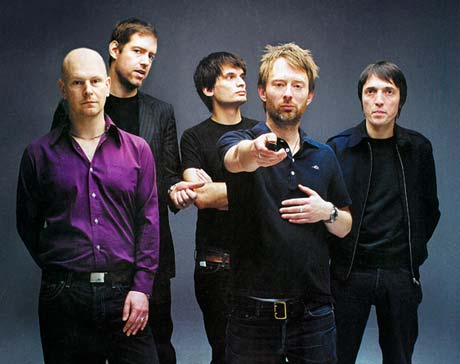
Few bands have ever turned chaos into identity as completely—and as unapologetically—as Slipknot. Emerging from the unlikely backdrop of Iowa, far removed from the traditional music industry epicenters, they didn’t just enter the global stage—they detonated onto it. What began as a collision of anger, anonymity, and raw experimentation would evolve into one of the most psychologically intense and culturally disruptive forces in modern metal.
There is something deeply symbolic about their origin. Iowa, with its quiet landscapes and understated identity, feels almost like the last place one would expect such an eruption of sound and fury. Yet, that contrast became part of the band’s mythology. Isolation breeds introspection, and introspection, when left to fester, can transform into something explosive. In Slipknot’s case, it became a sonic language—one that translated inner turmoil into something visceral, something impossible to ignore.
From the beginning, the band rejected conventional identity. Masks weren’t just aesthetic choices; they were declarations. They stripped away individuality in favor of something collective, something almost ritualistic. Each member became both anonymous and amplified, a paradox that allowed them to express without restraint. The masks created distance, but also intensity—they forced audiences to focus not on who the members were, but on what they represented. Rage. Pain. Catharsis. Unity within chaos.
The phrase “the nine ascend” captures more than just a lineup—it reflects a philosophy. Nine individuals, each bringing distinct influences and personalities, merging into a single, overwhelming force. It’s this unity that transformed their music from mere aggression into something layered and unpredictable. Their sound wasn’t confined to one dimension; it was a collision of percussion, distortion, melody, and noise, all fighting for space yet somehow coexisting in a controlled storm.
Psychologically, their work dives into territory many artists avoid. Themes of alienation, identity crisis, trauma, and societal pressure are not just explored—they are confronted head-on. There is no attempt to soften the edges. Instead, the band leans into discomfort, forcing listeners to engage with emotions that are often suppressed. This is where their true power lies. It’s not just about volume or intensity; it’s about resonance. Listeners don’t just hear Slipknot—they feel them.
Their evolution over time reveals a band unwilling to remain static. Early releases carried a raw, almost unfiltered aggression, reflecting a group still defining itself. As their career progressed, the chaos became more structured, more deliberate. The brutality remained, but it was sharpened by experience and intention. This shift didn’t dilute their identity—it expanded it. It proved that evolution doesn’t require abandoning roots; it requires understanding them deeply enough to build upon them.
Live performances further solidify their reputation as something beyond a traditional band. A Slipknot show is not simply a concert—it is an experience that borders on ritual. The energy is relentless, the atmosphere charged with anticipation and release. Every movement, every sound feels amplified by the collective presence of thousands of fans who aren’t just spectators, but participants in the chaos. It’s in these moments that the boundary between artist and audience dissolves, replaced by something communal and primal.
Culturally, their impact stretches far beyond music. They challenged perceptions of what metal could be, pushing it into spaces that were both theatrical and deeply personal. They proved that extreme expression could coexist with mainstream success, without losing its edge. In doing so, they opened doors for countless other artists who saw in Slipknot a blueprint for authenticity without compromise.
The darker psychological undertones of their work also speak to a broader societal context. In an era marked by increasing pressure, disconnection, and internal conflict, their music serves as both a mirror and an outlet. It validates emotions that are often dismissed or misunderstood, offering a form of release that is both intense and strangely therapeutic. This is perhaps why their fanbase remains so dedicated. It’s not just about the music—it’s about the connection, the sense of being understood within the noise.
Yet, for all the chaos they embody, there is a surprising level of discipline beneath the surface. The precision required to maintain such a complex, multi-layered sound is immense. It’s controlled chaos, carefully constructed and relentlessly executed. This duality—order within disorder—is what elevates their work from mere aggression to something almost artistic in its structure.
The journey from Iowa to global dominance is not just a story of success; it is a narrative of transformation. It is about taking something internal, something often hidden, and projecting it outward with unapologetic intensity. It is about redefining identity, not by conforming, but by amplifying what makes one different. Slipknot didn’t just evolve—they forced the world to evolve with them.
In the end, “unmasked chaos” is less about removing the masks and more about understanding what lies beneath them. It’s about recognizing that the chaos is not random—it is intentional, expressive, and deeply human. And as the nine continue to ascend, their legacy becomes increasingly clear: they didn’t just create music. They created a language for the unspoken, a space for the unheard, and a force that refuses to be ignored.
About the Author